Search the Community
Showing results for 'inner'.
-
 Inner child therapy focuses on accessing and rectifying unconscious emotional experiences and beliefs formed during childhood that may be negatively affecting your life as an adult. Discover how to heal your inner child with this advice from psychologist Stanislava Puač J. Inner child work or inner child healing is a notion you probably stumbled upon if you ever tried to understand why certain emotions or behaviours seem to come from a child-like, vulnerable place inside you. The term gets tossed around quite a lot, so it may sound like a feel-good phrase at times. Nonetheless, it is a valid therapeutic path for those of us who hear our inner child’s voice echoing beneath the surface. I, for example, still get scared like I did as a little girl when someone gets angry or shouts (as if I weren’t nearly 40 and accomplished in all crucial areas of life). And it is that hurt little girl who needs (and deserves) the care and safety she has necessitated all along. Let’s unpack what healing your inner child means – and how to connect with your inner child so you can become all you can be. What Is Inner Child Work and Therapy? Inner child therapy is a healing path focused on accessing and rectifying the unconscious emotional experiences and beliefs formed during childhood. Moments of unmet needs, trauma, adversity, abuse, or even seemingly minor events that felt unsafe or shameful when you were a child lie buried deep inside your psyche. Unfortunately, they are not always integrated and overcome, especially if you didn’t receive psychotherapy or counselling as a child. These past injuries change a child’s neural system and profoundly affect their development. Self-reflect on adult behaviour and start healing your inner child Indeed, a 2017 study published in the International Journal of Play Therapy concluded that: “chronic and highly stressful environments and experiences, occurring during early development, have a strong negative impact on the neural architecture and overall brain development in young children.” It's no wonder many adults feel a need to address these past hurts and learn to respond to life from the present, not from the survival scripts of the past. A Brief History of Inner Child Therapy The idea of an inner child that carries vast wisdom is ancient. However, in modern seminal literature, two authors’ concepts seem to lie at the basis of inner child healing. In the first half of the 20th century, Hungarian psychoanalyst Sándor Ferenczi identified a phenomenon where young children who had been traumatized acquire wisdom beyond their years. He characterized them as ‘wise’ babies. Similarly, Carl Jung, in collaboration with Karl Kerenyi, explored the concept of the ‘divine child’ – a mythological archetype believed to spark healing and intuitive insight in both children and adults. Yet, strictly speaking, it was John Bradshaw in the 1990s who popularized the term inner child in self-help and recovery circles. “Inner child therapy is a healing path focused on accessing and rectifying the unconscious emotional experiences and beliefs formed during childhood.” Nowadays, there isn’t a single therapeutic approach when you wonder how to heal your inner child. It's widely integrated into various therapy modalities, including psychodynamic approaches, schema therapy, IFS (Internal Family Systems), and somatic psychology. Signs Your Inner Child Needs Healing So, how to connect with your inner child and know they need healing in the first place? Well, there are specific signals your inner child may be sending your way, even if you’re not aware of their meaning yet. Here are some common examples: People-pleasing Your fear of disappointing others compels you to bend over backwards for them, neglecting your needs. Difficulty setting boundaries You struggle to assert boundaries and say “no”, or feel guilty when you do. Self-sabotage You carry a deep-seated sense of unworthiness that unconsciously undermines your own goals or relationships. Emotional outbursts or shutdowns Small triggers evoke intense reactions, reflecting unprocessed feelings from childhood. Fear of abandonment or rejection You have a strong urge to protect yourself, so you seek excessive reassurance or avoid closeness altogether. Perfectionism You try to be flawless to avoid criticism or earn affection. Shame and self-criticism Your inner critic works overtime. Addictive behaviours You use food, work, substances, shopping, or screens excessively. Seemingly inexplicable medical concerns A 2015 study from Arizona State University concluded that “childhood trauma may lead to poorer health in midlife through disturbances in the patterns of everyday life events and responses to those events”. Disconnection from joy You find it hard to relax, be spontaneous, or experience awe. These behaviors are coping mechanisms, not flaws or weaknesses. Your inner child adopted them to feel safe, at one point. Now comes the time for inner child healing, because, as you will soon learn, it is a vital element of you realizing your healthy potential. Why Is Inner Child Healing Important? Research supports the idea that experiencing childhood trauma can lead to long-term negative effects in individuals, such as impacting our physical health later in life, be less responsive to coping tools, and making our emotional reactions swing more intensely. RELATED: 7 Ways Spiritual Coaching Could Transform Your Life Healing your inner child isn’t about wallowing in the past, though. Think about it as updating your emotional operating system. Now, as an adult, you get an opportunity to choose how you will respond, instead of falling right into that vulnerable state of mind. Self.compassion is essential in inner child work and healing Inner child work helps you break cycles of emotional reactivity and create space for healthy adult responses In short: healing your inner child liberates your adult self. So, how to connect with your inner child and start healing? Let’s dive right in. How Can I Begin Healing My Inner Child? Healing your inner child usually means revisiting very hurtful experiences: a counsellor or therapist can help if you need professional support. With dedication and patience, you will start to see some of the signs that your inner child is healing. Nonetheless, if you want to start on your own and are wondering how to heal your inner child without a therapist – or as a complement to therapy – here are seven powerful steps grounded in psychological evidence and therapeutic practice. 1. Reconnect Through Visualization One of the most commonly used tools is a gentle meditation where you visualize yourself meeting your child Self in a safe place. What are they feeling? What do they need? Offer comfort and reassurance. If you find it challenging to create that emotional bridge, looking at your childhood photos can help. They will likely spark the connection. 2. Write Letters to Your Inner Child Letter-writing is used in inner child therapy to promote inner dialogue with parts of yourself that might otherwise feel overwhelming. First, write from your adult perspective to your inner child. Then switch – write from your inner child. You might start to notice the needs and past hurts you weren’t aware of. 3. Identify and Reframe Core Beliefs Schema therapy identifies patterns like “I’m unlovable” or “I’ll be abandoned” as emotional schemas (also known as early maladaptive schemas). Gently challenge these beliefs. Ask: Whose voice is this? When did this belief come to be? Is this true today? MORE LIKE THIS: How To Practise Self-Compassion: 6 Proven Techniques Self-Forgiveness: How to Forgive Yourself in 7 Steps How to Stop Beating Yourself Up: 7 Techniques That Work 4. Track Emotional Triggers Whenever you have a disproportionate emotional reaction, note it down. Ask: How old do I feel in this moment? Keeping a journal of these moments helps you spot patterns and develop more adult responses over time. 5. Reparent Yourself Daily Healing your inner child often involves so-called reparenting – intentionally offering yourself the care and love you needed but didn’t receive as a child. “Inner child work helps you break cycles of emotional reactivity and create space for healthy adult responses. In short: healing your inner child liberates your adult self.” Depending on what you need, reparenting could mean setting healthy boundaries, creating healthy life habits, or affirming your emotions instead of dismissing them. The result? Your basic sense of trust (re)built. 6. Play, Create, and Be Silly You can help heal your inner child by playing and being creative. Part of connecting with your inner child means tapping into your child-like energy. Make space for joy, spontaneity, and curiousity. Draw, dance, build something silly. Healing isn’t all heavy lifting. 7. Seek Out Safe Relationships How to connect with your inner child? Sometimes, the answer is in connection with others. Safe attachment can offer corrective experiences – be it with a therapist, a support group, or a trusted friend. Learning it’s safe to be your true Self in front of others is a cornerstone of inner child healing. Takeaway: How to Heal Your Inner Child? Inner child work is about freeing your present Self from invisible strings that formed through childhood adversities. And when you embark on the journey of healing that broken part of your being, you begin to meet your own emotional needs in ways that your childhood Self couldn’t. So, if you’re noticing painful patterns repeating in your life, or feel stuck in ways you can’t explain, chances are your inner child is still waiting to be heard. The good news? You are safe now. You can begin to heal. ● Images: shutterstock/Favebrush, shutterstock/dot.studio happiness.com | The fine art of being: learn, practise, share Are you a happiness.com member? Sign up for free to enjoy: ■ our happiness magazine with practical life tips ■ sharing and supporting others in our happiness forum Empathy | Authenticity | Resilience | Stress Written by Stanislava Puač J. Stanislava Puač J. is a psychologist, life coach, and writer with over 15 years of experience exploring how our inner world shapes our interactions, health, and sense of self. Her work blends research, real-life practice, and a holistic view of well-being – spanning emotional regulation, communication, and mindfulness.
 -
 Healing your wounded inner child takes dedicated work and patience. So, how can you tell if you're succeeding? Psychologist Stanislava Puač J. explains the key signs that your inner child is healing, from choosing healthier relationships to responding instead of reacting. Healing the child within can feel elusive and vague at first. Even a little scary. Yet, as you move through the inner child work of listening to and caring for that younger Self, the signs your inner child is healed begin to emerge. It is rarely a dramatic overnight transformation – more of a rewiring behind the scenes. The inner tension starts to soften. Old triggers lose their grip. Bit by bit, you realize that inside of you, there’s now a healed inner child. So, how do you know if it’s working? And how long does it take to heal your inner child? Before we dive in, let’s pause to remember what healing the child within actually means and why it's important to embark on this journey. Healing the Child Within Healing your inner child involves reconnecting with the parts of yourself shaped by childhood experiences — especially painful or unmet emotional needs — and offering them the care they needed but didn’t receive. But why dig out past hurts in the first place? According to psychological research and practice, unhealed childhood wounds tend to cause extensive adversities in adult life, leading to issues such as abandonment trauma. They affect our mental well-being, relationships, and even physical health and longevity. There are many signs your inner child is being healed Luckily, as a recent study by Trivedi, et al published in The International Journal of Regression Therapy shows, an intervention aimed at healing your inner child, “effectively improves participants’ mental health [...]. Moreover, the data show that the positive effects tend to be more pronounced with a longer duration of the intervention”. Whether your inner child work involves therapy, journaling techniques, or using visualization and reparenting techniques, the path is rarely linear. But progress does leave footprints: here are some of the signs your inner child is healed. 9 Signs You’re Healing Your Inner Child A healed inner child doesn’t come to you with a memo saying: “Woohoo, everything’s perfect!” Nonetheless, if you have walked the path for a while, you will start noticing the signs your inner child is healed (or getting there). For me, it was when I realized I wasn’t entering a full panic mode when a man sitting next to me in public transportation started shouting (which would typically be a massive trigger). My healed inner child entered the stage as quietly as that. If you notice some of these signs your inner child is healed, take heart: change is unfolding. 1. You Respond Instead of Reacting Like my personal example above, specific triggers used to make you spiral into shame or lash out. Yet, now, you manage to pause before reacting. You recognize where the emotion comes from, accept it’s there, and choose how to respond. This is one of the most prominent sings your inner child is healed, because it means your childhood hurts no longer take over whenever you hit a bump on the road. 2. You No Longer Abandon Yourself to Keep Peace The moment you choose yourself over what others (or internalized others) expect you to be, everything changes. Carl Jung, the Swiss psychotherapist and psychologist, spoke about this. “Healing the child within can feel elusive at first. Yet, as you listen to and care for that younger Self, the signs your inner child is healed begin to emerge.” And a key marker of a healed inner child is precisely the ability to honour your needs and peculiarities. You are no longer willing to disappear just to keep the peace and avoid making waves. 3. You Feel Comfortable with Healthy Boundaries A natural continuation of the previous sign your inner child is healed is setting healthy boundaries. Your boundaries no longer resemble walls – nor are they non-existent. Nowadays, you have doors with locks you choose to open (or not). When you’re healing the child within, you begin to set boundaries from a place of self-respect. 4. You Can Self-Soothe Instead of Spiral Another vital sign your inner child is healed is when you stop spiralling into ruminating thoughts. Instead of incessantly asking yourself: “Did I do something wrong? Will they still like me if I say no?”, you now reach out for comforting behaviors, such as journaling, conscious breathing, music, and movement. You can now soothe your inner child from the position of a kind, attuned caregiver. A healed inner child will sooth instead of spiral 5. You Reclaim Joy and Playfulness When we live as adults with a hurt inner child, we tend to be overly adapted and efficient. In a sense, we’re a bit too adult. There’s little room for spontaneity. RELATED: What Playfulness Can Do For Your Relationship The moment you start letting yourself be silly and creative, you probably carry a healed inner child inside. Why? That freedom to play signals that the inner child feels safe enough to come out again. 6. You Sit Happily With Your Feelings Healing doesn’t mean you stop feeling blue or angry. But, unlike before, when you wouldn’t trust your emotions, you start acknowledging and validating them. You no longer feel the need to either suppress or dramatize your feelings to be taken seriously. 7. You Attract (or Choose) Healthier Relationships We tend to repeat the patterns from our family of origin. Unfortunately, if these were unhealthy, you have likely picked the wrong people to surround yourself with. Nonetheless, as you start healing your inner child, you begin to expect kindness and honesty from others. And you grow the capacity to give and receive healthy love. “The most profound sign your inner child is healed comes with a quiet sense of worth that doesn’t waver based on productivity, appearance, or approval.” What's more, a 2024 study by Loo Yee Hing from the International Grafinity Association of Malaysia revealed that such healing can be built upon further. A program aimed at healing the inner child among parents resulted in “transformation [that] was characterized by heightened self-awareness, improved emotional regulation, improved parenting skills and strategies, strengthened parent-child relationship that foster a suitable relationship”. 8. You Let Go of Harsh Self-Criticism Your inner critic’s voice has softened. Instead of cruel remarks about how incompetent you are when you make a mistake, you catch yourself offering self-compassion. That shift from punishment to patience and understanding signals your adult Self is making decisions about who and how worthy you are — and not the people who hurt you when you were a child. Dropping self-criticism: one sign your inner child is healing 9. You Know You’re Worthy – Even When You Struggle Finally, the most subtle yet profound sign your inner child is healed comes with a quiet sense of worth that doesn’t waver based on productivity, appearance, or approval. You now judge your worth and have integrity and an identity grounded in self-awareness and recognition of both your strengths and weaknesses. How Long Does It Take to Heal Your Inner Child? If you’re wondering how long it takes to heal your inner child, you’re not alone. It’s a common question, and a fair one. Unfortunately, you’re not going to receive a definite response. As with any self-development work, the road you need to travel before you live with a healed inner child varies. It is your personal path, and it's impossible to say what to expect in general. One friend told me he felt a massive improvement after only two therapy sessions. Most people begin to feel major shifts in a matter of months. Others walk this path for years. It all depends, among other factors, on: The severity of childhood trauma and adverse experiences you’re trying to heal Your current support system Consistency of your healing practices So, rather than aiming for a finish line, it’s more helpful to think in terms of layers. For example, you may heal the outer layer rather quickly, one that is tied to your self-confidence. And then, you might discover a deeper layer around trust or intimacy. Therefore, think about moving in an upward spiral, and peeling one layer after the other. Takeaway: Signs Your Inner Child is Healing Healing the child within is one of the most powerful journeys you can take. It’s as close as you can get to changing your past. No, wrongdoings won’t get undone. But you will transform how your past lives in you. And no, the transformation most likely won’t feel dramatic. Yet, you will wake up one morning, realizing that you have quietly become less anxious, kinder, and more in touch with the world and yourself; that you have shown up for yourself in ways no one else could. ● Images: shutterstock/Undry, shutterstock/dot.studio, shutterstock/Edge Creative happiness.com | The fine art of being: learn, practise, share Are you a happiness.com member? Sign up for free to enjoy: ■ our happiness magazine with practical life tips ■ sharing and supporting others in our happiness forum Confidence | Authenticity | Resilience Written by Stanislava Puač J. Stanislava Puač J. is a psychologist, life coach, and writer with over 15 years of experience exploring how our inner world shapes our interactions, health, and sense of self. Her work blends research, real-life practice, and a holistic view of well-being – spanning emotional regulation, communication, and mindfulness.
 -

Internal Conflict And Inner Turmoil: 5 Steps to Resolve It
Calvin77 posted an article in SCIENCE & PSYCHOLOGY
 When we are stuck making a decision, inner turmoil or internal conflict often arises, leading to both mental and physical health issues. Psychologist Stanislava Puač Jovanović explains the meaning of inner turmoil, why it develops, and five steps you can take to move past it. For most of my adolescence and adulthood, I felt internal conflict about where to live. My mother is from one country, and my father was from another. When I was 14, they divorced. Suddenly, my family was scattered across Europe. So, my inner turmoil started. Where – or rather with whom – to live was a burning question during the period of my parent’s divorce. The same issue arose when I had to pick a high school, then college — and after graduation, when I was supposed to get a job. In fact, battling these internal conflicts and turmoil didn’t truly leave my side until recently. And I do not exclude the option of it becoming current again at some point in the future! Inner turmoil AKA internal conflict is everyone’s known (and rather unpleasant) companion. It does not matter if you are picking a shirt or a spouse. Internal conflicts are usually inseparable from the decision-making process. Therefore, we have little choice but to accept their presence. We can, however, understand inner turmoils and learn how to resolve the chaos they tend to cause. In this article, I'll explain: What inner turmoil is and what adversities may come with it What causes internal conflict How to move past it First, let us get to know inner turmoil and why it might be the wrong place for you to stay for too long. What is inner turmoil and why is it bad? Inner turmoil is not, strictly speaking, a phrase that psychologists would use. However, it describes the experience very well. As already mentioned, the term that is used in academic psychology is inner or internal conflict. Internal conflict is one of the prime notions of psychoanalysis. Sigmund Freud described conflicts as a consequence of the coexistence of two or more incompatible elements in a person’s psyche. These elements can be your needs, wants, beliefs, expectations, actions — conscious or unconscious. Simply put, two forces are clashing inside of you. Inner turmoil or internal conflicts cause mental and physical health issues It could be that there are two (or more) options that seem alluring. This is the “easiest” of the conflicts. For example, you could be courted by two people who both attract you. However, by virtue of the situation, when you pick one, you lose the other. Adding to the ordeal is a common effect — the option you dismissed will start looking more appealing. Double-avoidance conflict is a more difficult one because you must choose between two unfavourable options. For example, you might need to decide if you want to be unemployed and broke or accept a job you hate. RELATED: 7 Ways To Develop A Can-Do Attitude Quotes About Worrying: 6 Powerful Sayings To Free Your Mind Discover The 10 Keys To Happier Living Approach-avoidance conflict is something you experience when one option has qualities that both attract and repel you. Moving to a city that you do not like but that offers a better professional outlook is a good example. Or dating someone who you are physically attracted to but whose personality you are unsure of. The problem with this sort of inner turmoil is that the more you approach the option, the more the anxiety grows. On the other hand, the more you move away from it, the more you start to desire it. Why is internal conflict bad for you? As I said before – inner turmoils are not something we can avoid. They are a part of our lives. However, staying in one for too long can be bad for you. Why? When you are not at peace with yourself and do not understand your preferences, you will probably have a hard time getting along with others. Inner conflicts and ambivalent desires transfer to your close relationships. “Moving past inner turmoil and internal conflict means making a move. Whether it's a psychological change or an enacted decision, something has to happen.” Inner turmoil or internal conflict in which you are not clear about your role and identity, as this theoretical paper demonstrated, can make you underperform in negotiations in business. Any other sort of negotiations, it may be added, can be affected by your inability to decide which position and role you are taking. When dealing with internal conflicts and battles, you might find yourself unable to move forward. Research confirms that when you are ambivalent, regardless of how much power in a situation you may have, you will probably remain inert and avoid action. Furthermore, inner turmoil can lead to a range of emotional and physical disturbances. Irritable bowel syndrome, for example, has been found to be associated with internal conflicts. In particular, you may be at risk of the syndrome if you feel uneasy about being emotionally open and expressing your feelings. What causes inner turmoil and internal conflict? Remember my example from the beginning of the article? As I was born and spent most of my life in my father’s homeland, I felt more at home there. On the other hand, it was wiser to move to my mother’s homeland as it has incomparably better living standards. Not to mention wanting to be with my little sister, who was 4-years-old at that point. Understandably so, a long list of problems and issues (logistical and emotional) intertwined with the whole situation. In short, it was a hot mess. And, my inner turmoil was equally as intense. What caused it was too many elements of the situation that did not align with each other. Conflicting needs, beliefs, actions and expectations cause internal turmoil and inner battles. According to the classic psychoanalytic theory, our Ego has to serve three masters. It has to find a way to reconcile the external world’s demands, instinctual needs and desires (Id), and the ethical and moral principles we acquired growing up (Super-Ego). Needless to say, there is rarely harmony between these masters. Internal conflict: our ego has to serve three masters So, inner turmoil arises. You simultaneously want and do not want something. Your longings might clash with your principles. You know that one option is rational, but your heart desires another. Many elements interweave, and you end up in a state of internal chaos. It is an entirely natural position, a part of being a human. You could, for example, be in an utterly unhappy marriage. However, you were raised to consider a divorce as something outright wrong. Your need to feel psychologically well and your ethical beliefs oppose each other. You might long to do something creative in life and be an artist, but you feel pressured to meet your family’s hopes and find an office job. Your true desires and wish to please your loved ones’ expectations clash. Or, you have needs that do not match social norms in your culture, like sexual orientation. The authentic You is not in line with society’s standards, and an inner turmoil and conflict is born. “Once you have committed to leaving the state of turmoil, help yourself decide what you want and what you will do.” You might find yourself falling for your friend or a coworker. You yearn to make a move, but it poses a risk of losing them and destroying the existing relationship. Your feelings conflict with your desire to maintain the safety of what you have now. You may be torn between your roles of an individual, child, parent, friend, professional, spouse, and the desires and expectations that come with those roles. How to move past internal conflict If you're wondering how I resolved the conflict of where to live — I had to make a choice. I was compelled to do so when external circumstances called for it (the divorce, the schooling). But, the time came when I did not have to make a choice — I could merely succumb to inertia and avoid making any commitment. And I did for a long time. Nonetheless, I could not keep dodging a decision forever. Because moving past inner turmoil and internal conflict means making a move. Whether it is a psychological change or an enacted decision, something has to happen. Otherwise, you remain stuck within the whirlpool of conflicting needs and perspectives. So, here are 5 steps you need to take to start dealing with internal conflict: 1. Understand the turmoil Clinical practice shows that you need to explore the symptoms of the conflict — how is it manifested and in what situations do you notice it? What emotions and beliefs are keeping it alive? What rigidities in your mind are preventing you from leaving the conflict behind you? How do you usually try to cope with it? Knowing your most profound traits and desires (even the dark ones) is a must of authentic living and a prerequisite for resolving any inner conflict. 2. Make a decision As I've explained, one of the adversities of inner turmoils is a tendency for inertness they may throw you into. Give yourself enough time to contemplate — but do not procrastinate. Bring yourself to make a move. Fear of change, dread of making a wrong choice, feeling lost in life, or undefined anxiety are perfectly understandable reactions. However, putting a decision off is a kind of self-sabotage. So, promise yourself you are going to move ahead — and do so. Making a choice is essential to escape inner conflict 3. Facilitate the choice Once you have committed to leaving the state of turmoil, help yourself decide what you want and what you will do. Talk to friends, a psychotherapist or a coach, make pros and cons lists — whatever works. 4. Stop feeding the conflict When you have deciphered what has caused your inner turmoil and what you want to do about it, stop adding to the anxiety it causes. For example, if you want to get a divorce, stop evoking the thoughts of how “wrong” it is to do so that your parents or culture imposed on you. 5. Believe in yourself We often feel hindered by self-doubt. You might want to apply for your dream job but are reluctant because you believe you are not good enough. Give yourself plenty of self-love and practise self-compassion. You can do it. Even if you make a wrong choice, you are capable of mending the damage. Takeaway: see inner turmoil as a hint Internal conflicts are anything but a pleasant experience. A quote from Søren Kierkegaard’s ‘Either/Or’ illustrates the anguishing nature of human lives: “Hang yourself, you will regret it; do not hang yourself, and you will also regret that; hang yourself or do not hang yourself, you will regret both; whether you hang yourself or do not hang yourself, you will regret both.” Now, Kierkegaard was a philosopher, hence the hanging. Yet, if you translate the idea to any other choice, the message is clear. Whatever we choose and do, we will probably end regretting it and up believing that the other option was better. However, it does not mean that we are doomed to despair about missed opportunities and errors we made. Instead, approach your inner turmoil as a hint. Meaning that something is going on inside of you, and you need to figure it out. Embrace internal conflicts as a call from your unconscious mind to explore your soul. Use it as a beacon. Let it guide you towards knowing yourself — and making decisions that follow your authentic nature and needs. • Images: shutterstock/ArtFamily, shutterstock/Pixel4Images, shutterstock/ESB Professional happiness.com | The fine art of being: learn, practise, share Are you a happiness.com member? Sign up for free to enjoy: ■ our happiness magazine with practical life tips ■ sharing and supporting others in our happiness forum Authenticity | Self-help | Coaching | Kindness Written by Stanislava Puač Jovanović Stanislava Puač Jovanović has a master’s degree in psychology and works as a freelance writer and researcher in this area. Her primary focus is on questions relating to mental health, stress-management, self-development and well-being.
 -
How to Find Happiness Within: 5 Ways to Build Inner Joy
Calvin77 posted an article in PERSONAL GROWTH
 True happiness comes from within, but it takes work. The good thing is, all of us can learn how to develop it. From cultivating resilience to showing gratitude, Sonia Vadlamani explores five science-backed techniques that build lasting inner happiness and joy. For the longest time, I believed happiness to be something that came from outside – like getting a promotion at work, traveling to a dream destination with my partner, or purchasing something from my wishlist. And yes, indeed, these events do make me happy. But in reality I find I’m actually much happier on the days I have some quality “me time” to enjoy all my favourite leisure activities and connect with the people I love. This observation, coupled with research on happiness, helped me understand the simple and profound truth: happiness comes from within – happiness is an inside job. This holds true for most of us: while external events can definitely make us joyful, we also have inherent values and needs that we derive happiness from just the same. The best part? We don’t need to wait for external outcomes to feel content; we just need to learn how to tap into these sources of lasting happiness. Indeed, happiness is a choice, and science shows that true happiness comes from within, consistently and reliably, when we take small, intentional steps to achieve it, every single day. What does it mean to find happiness within? When we talk about finding inner happiness, we refer to what researchers in positive psychology call “internal happiness”, or a steady sense of well-being and contentment that stems from within and doesn’t rely on external circumstances. Unlike the fleeting happiness that we experience from external events like winning some money on the lottery or attending a concert, intrinsic happiness isn’t temporary, but rather a stable foundation for contentment and peace of mind. Where does happiness come from? Start the search within... In contrast, external happiness relies heavily on outside events, possessions and achievements. While these are undeniably necessary for life satisfaction, they only tend to boost our mood and improve happiness levels temporarily. In fact, a study of Stanford student-athletes living under immense pressure revealed that intrinsic factors like mindfulness, self-restraint, and self-esteem were stronger predictors of happiness than external factors such as playing time and scholarships. MORE LIKE THIS: How to Find Happiness: 11 Science-Backed Tips What is Happiness Exactly, Anyway? Discover the 10 Keys to Happier Living Another study by researchers Christopher P Niemiec et al. suggests that while the quest for external happiness alone can adversely impact well-being, focusing on intrinsic happiness benefits one’s psychological health, emphasizing the need for balance between external and internal forms of happiness. “Developing mindful awareness is key to finding happiness within yourself, as savoring the 'now' requires us to pay attention to events unfolding around you.” These findings highlight the need to develop traits that can help us find true happiness from within, enabling us to navigate life’s uncertainties better and build resilience. It’s also important to know that happiness can’t always stem entirely from within, especially for someone with a mental health condition like depression or anxiety, who may need to seek professional help for managing their condition and finding relief. How to Find Happiness Within Yourself The quest for finding happiness within yourself doesn’t mean ignoring external events and life milestones, but rather developing skills and practices that help maintain a sense of peace and inner contentment even through challenging times. So, here are five science-backed ways to help you learn how to find happiness within yourself. Incorporate them into your life one at a time to help build long-lasting joy and contentment. 1. Learn to live fully in the present A Harvard study that tracked the thoughts and moods of 2,250 participants found that humans spend nearly 47% of their waking hours thinking about something other than what they’re doing, and that this impacts happiness. Published in Science, this research corroborated a profound truth: the human capacity to capture joy depends largely on being present in the moment. Indeed, research suggests that ruminating over the past or worrying about the future can fuel negativity and reduce life satisfaction. On the other hand, immersing ourselves fully in the present – wholly engaging with the task at hand – regulates our nervous system and enables a flow state characterized by complete absorption. This can further help instill a sense of control, putting a stop to repetitive thoughts. Develop mindful awareness (and increased happiness) through breathwork Indeed, developing mindful awareness is key to building inner happiness, as savouring the “now” requires us to pay attention to the events unfolding around you. Simple mindfulness practices that can help improve your mood and elevate inner happiness levels include: focusing on your breathing. tuning into what you see, hear and feel at the moment, like eating, walking and doing daily chores. gently bringing your attention back to the present moment when it wanders (it will). setting time aside for mindfulness meditation. 2. Practice radical acceptance If being mindful pertains to developing awareness, acceptance is how we process and respond to this awareness, especially when faced with failure, loss or imperfections. Indeed, a comprehensive review of six correlated studies by researchers Daniel T Cordaro et al. suggests that inner contentment is a distinct positive emotion that is central to overall well-being and happiness. Embracing life as it is, therefore, is a crucial requirement for how happiness comes from within. This endeavor requires us to be aware of and accept the various emotions, imperfections, fears, and desires that make us all essentially human. MORE LIKE THIS: Happiness is a State of Mind: 8 Ways to Develop It Is Happiness Genetic? Here's What Science Says How Can Happiness Be Measured? Radical acceptance relies on practicing self-compassion, which means treating yourself with the same kindness you would show a good friend during a difficult time. It also involves understanding that errors and failure are a part of being human, not personal flaws. Here are some ways to practice radical awareness and self-compassion: Be kind to yourself. Evaluate your feelings with a gentle approach, not harsh self-judgment. When you notice a mistake or flaw, approach the emotions with kind observance and speak to yourself with genuine warmth. Remember that you’re not alone in your struggles – everyone faces challenge in their lives. Learn to forgive yourself for your mistakes and limitations. 3. Cultivate inner resilience Resilience, or the capacity to recover from difficult situations and adapt to life's challenges, is a key predictor for finding happiness within yourself. In fact, a study by researchers Steven M. Southwick et al. revealed that resilient individuals don’t encounter fewer challenges in life; they simply react to them differently. Therefore, your ability to adapt to adversities and overcome challenges can be the answer to how to find inner happiness and well-being. The first step toward developing resilience is reframing your perspective about life’s uncertainties and embracing the unknown. Resilient people look at difficulties as opportunities to learn, not threats to their happiness, and are adept at ‘lemonading’ – making the best of the situation at hand. “Individuals who understand that true happiness comes from within are also more resilient and more capable of bouncing back from life’s trials.” Adopting a growth mindset is another crucial aspect of resilience. Challenge yourself by stepping out of your comfort zone and attempting something that feels uncomfortable. Also, remember to celebrate small wins by tuning your mind to recognize and enjoy the smallest efforts and progress, instead of waiting to celebrate loftier milestones. 4. Develop a gratitude routine There’s more to gratitude than just saying thanks – emerging research suggests it’s a powerful practice that can help rewire our brains to weed out toxic emotions and significantly improve our happiness levels. How to find happiness from within? Keep a gratitude journal A study at University of California, Berkeley, involving 300 participants seeking mental health counseling revealed that the mental health benefits of gratitude practice can be experienced even when it's not communicated to others. While the benefits of gratitude – like improved inner happiness, reduced mental stress, and an optimistic outlook – take time to emerge, they create a positive snowball effect with consistent practice. To cultivate an attitude of gratitude, try these things daily: Write down three things you’re grateful for in your gratitude journal. Express gratitude to people you’re thankful for having in your life. Acknowledge moments of kindness and beauty throughout the day. Set time aside to practice gratitude meditation to truly appreciate all the things you’re thankful for. 5. Nurture meaningful connections While true happiness comes from within, we’re essentially social beings, and having close relationships is a fundamental need for a long, healthy life. Spending time with those you care for helps release happiness hormones, namely serotonin, dopamine and oxytocin. These are also released when you exercise, so in a way, spending quality time with your loved ones is almost as beneficial as getting a workout. To strengthen your relationships: Practice mindful listening and empathy. Really hear others out without judgment or bias. Trust your close friends and family enough to share your authentic self, and avoid the vulnerability hangover trap. Show up consistently, whether to celebrate their wins or be a shoulder to lean on during tough times. Connect over activities you collectively enjoy, like hiking, volunteering, or joining a book club. Where does happiness come from? Friends are a key source Inner Happiness: Clear Health Benefits The happiness derived from savoring life’s small joys is also associated with several other positive outcomes considered the “hallmarks of a happy person”, such as long-lasting relationships, more successful careers, and better health. Individuals who understand that true happiness comes from within are also more capable of bouncing back from life’s trials and uncertainties with better stress-management and decision-making abilities. In essence, the ability to tap into inner happiness helps us experience more positive emotions and achieve more favorable outcomes in terms of success and improved life satisfaction. Takeaway: Happiness Comes From Within Happiness is a journey, and while the path to inner happiness isn’t easy, it is accessible to everyone. As demonstrated by the ample research above, everyone has the ingredients necessary to cultivate lasting joy within ourselves – the practices discussed here simply help you uncover and nurture the happiness that already exists within you. Indeed, in a world that constantly tells us happiness is bound to result from the next purchase or milestone, finding happiness within yourself is a practical and responsible step towards ensuring your well-being. ● Images: feodorina, Peopleimages.com - Yuri A, Oksana Klymenko, Jacob Lund happiness.com | The fine art of being: learn, practise, share Are you a happiness.com member yet? Sign up for free now to enjoy: ■ our happiness magazine with practical life tips ■ share and support in our happiness forum Self care | Empathy | Letting go | Acceptance Written by Sonia Vadlamani Fitness and healthy food blogger, food photographer and stylist, travel-addict and future-self journaler. Sonia loves to write and has resolved to dedicate her life to revealing how easy and important it is to be happier, stronger and fitter each day. Follow her daily pursuits at FitFoodieDiary or on Instagram.
 -
 If you're lacking fulfilment or direction in life, spiritual coaching can help you align your beliefs and values with purpose. Sonia Vadlamani explores how spiritual coaching can change your life’s course for the better, and what sets it apart from life coaching. In today’s competitive, success-obsessed world, many of us reach a point where we feel something is missing from our lives – a deeper sense of connectedness, a purpose beyond worldly pursuits, or a spiritual hunger that no amount of goal setting and accomplishments can seem to fulfil. This is where spiritual coaching can become incredibly helpful. What is Spiritual Life Coaching? Spiritual coaching aims to help individuals connect with their spiritual goals by aligning their values and beliefs to a purpose greater than themselves. While researchers agree that spirituality and wellbeing are interlinked, emerging studies suggest that spirituality also helps mediate the fear arising from uncertainty or challenging times, thus safeguarding one’s mental health and fostering emotional resilience. A spiritual coach acts as a guide or companion on your journey toward spiritual growth. Freud’s renowned Iceberg Theory is useful here: it uses an iceberg as the metaphor for the human mind, where the vast submerged part of the iceberg signifies the human unconscious mind, which has the largest impact on one’s personality and behavior, even though it’s more inaccessible than the visible ‘tip’ of the iceberg which represents the conscious mind. The role of a spiritual coach is to work with both – the visible or external aspects of your life, like your goals, setbacks, and daily activities, as well as underlying, deeper aspects that influence everything you do. 7 Ways a Spiritual Coach Can Help You Simply put, the role of a spiritual advisor is to provide the support and guidance you need to access your inner gifts to create a meaningful, authentic life that reflects who you truly are. Here are some ways spiritual life coaching can help you: 1. Navigate life transitions with ease Handling major transitions in life – whether a career change, moving to a new area, relationship shift, losing a parent and working through the stages of grief, or a health challenge – isn’t easy alone. Whether by choice or unexpected, such life changes can trigger existential questions and a need for expert guidance. This is where a spiritual coach can offer perspective and wisdom, helping you realize that life changes can also serve as stepping stones to personal growth. A spiritual coach will help you tap into your inner resources and overcome challenges and move forward in life. 2. Overcome fear and mental blocks Sometimes we subconsciously carry self-limiting thoughts and patterns that may hold back our growth. These may include ingrained beliefs about self-worth, fears about our capabilities, or doubts about success in career and relationships. Spiritual life coaching can help identify and address these blocks using techniques like energy cleansing, inner child work, and developing a growth or abundance mindset, thus enabling you to realize your fullest potential and live a fulfilled life. Spiritual coaches act as a guide to align your passions with purpose 3. Trust your intuition Each of us has, at some point, experienced a “hunch”, an inner voice, or a “gut feeling” about a decision or circumstance. This “ability to understand something instinctively, without any need for conscious reasoning or an explanation” is what we know as intuition, according to Dr Thomas R. Verny, clinical psychiatrist and author of the blog Explorations of the Mind. While this intuition is often accurate, we tend not to trust the feeling, given our majorly analytical, logic-driven minds. We fail to realize that intuitive thinking isn’t about unlocking psychic powers but about learning to recognize and trust the subtle signs from your body, your environment, and the knowledge accumulated from your past experience. Dismissing intuition sometimes makes us lose out on valuable guidance from our subconscious learning and prior experience. A spiritual coach can help you tap into your intuition and reinforce your connection with inner guidance, so that you can make better, more informed decisions. 4. Strengthen relationships and build community The power of community in creating a happy life can’t be ignored - research agrees that growth thrives when we’re surrounded by like-minded people who uplift us. In fact, studies show that relationships and spirituality are intertwined, suggesting that spirituality boosts the health of relationships, while healthy relationships aid one’s wellbeing and spiritual growth in turn. “Spiritual coaching aims to help individuals connect with their spiritual goals by aligning their values and beliefs to a purpose greater than themselves.” Indeed, a spiritual advisor can help you attract and develop relationships that aid your personal and spiritual development, helping you overcome loneliness, feel valued, and lead a meaningful life. 5. Find your life’s purpose At some point, all of us find ourselves questioning what we’re here to do, what’s the point of life, and where it’s taking us. While pondering about life’s purpose can help us to review their goals and improvise our next moves, it can also lead to confusion, feeling lost, and loneliness, sometimes resulting in depression and anxiety. Spiritual coaching can help you explore the answer to “Who am I?” by encouraging introspection and helping you uncover your unique gifts and strengths. Often this guided exploration goes beyond traditional career choices, enabling you to focus on showing up as the best version of yourself in every area of life. 6. Work through past trauma There’s a growing body of research highlighting the role of spirituality when it comes to healing from past trauma and developing a healthy outlook and building emotional resilience for the future. In her book Traumatic Stress and Long-Term Recovery, author Anna R Harper discusses how spirituality and religion influence how one perceives trauma, as well as the post-traumatic recovery process. Indeed, a spiritual coach can help you process your trauma better, in addition to helping you understand that while your trauma is painful, it’s also your gateway to growth and greater strength. Spiritual coaching helps you to overcome fears and addictions Interestingly, a study of 529 care leavers – or young individuals separated from parental care and placed in alternative care settings – from 11 nations revealed a strong connection between spirituality, well-being, and resilience, even when accounting for challenging life circumstances. Thus, building inner strength and emotional resilience to face life’s storms and uncertainties is another area a spiritual advisor can help with. 7. Overcome addiction One of the most practical ways spiritual coaching can benefit someone is addressing compulsive behaviors and addiction – not only by identifying the addiction itself but also the underlying triggers. In fact, research shows that religious faith and spirituality can play an active role in recovery from substance abuse. “A spiritual coach can offer perspective and wisdom, helping you realize that life changes can also serve as stepping stones to personal growth.” A spiritual coach can help clients realize that their addiction is often an unconscious effort to numb emotional pain or escape reality. Through this awareness, and by incorporating helpful techniques like conscious breathwork, meditation, and journaling, they can help connect individuals to a greater purpose, putting them on the path to a purpose-driven life. Spiritual Coach Vs Life Coach At first glance, spiritual coaching and life coaching can seem similar, as both serve to bring a positive change in individuals. However, they different in the aspects they focus on and their approach. Life coaching typically focus on: Setting, tracking, reviewing definite goals. Devising client-specific productivity hacks Performance and accountability reviews External behaviors and conscious thoughts Spiritual coaching explores deeper with: Exploring and examining your belief systems, thought patterns and values without judgment. Incorporating new perspectives and spiritual practices like meditation, energy work and journaling. Aligning your inner values and beliefs with your life purpose. Addressing your soul’s needs, not just your extrinsic goals. How Do You Become a Spiritual Coach? While the spiritual coaching training space is largely unregulated, some respected certification programs accredited by organizations like the International Coach Federation (ICF) offer training in necessary skills like the tutoring methodology, spiritual advancement techniques, and fair practices. Becoming a spiritual coach involves lifelong learning Most reputed spiritual coaches also study various spiritual practices like meditation and dream interpretation extensively on their own and with the help of their spiritual mentors. Developing core spiritual competencies in aspects like mindful compassion, active listening, radical acceptance, and cultivating safe spaces is helpful as well. Above all, effective spiritual coaching training involves lifelong learning – the best spiritual coaches continue to expand their study and skills through workshops, events, mentorships, and in their personal spiritual practices. Takeaway: Spiritual Coaching In a world driven by achievements and competition, spiritual coaching can guide you toward finding what matters most – living with purpose as your most authentic self, in alignment with your deepest values and goals. In essence, spiritual coaching shows us that there’s more to us than our to-do lists, professional achievements and materialistic pursuits – it’s about finding a purpose greater than ourselves and leading a meaningful life. ● Images: insta_photo, KieferPix, Lopolo happiness.com | The fine art of being: learn, practise, share Are you a happiness.com member yet? Sign up for free now to enjoy: ■ our happiness magazine with practical life tips ■ share and support in our happiness forum Coaching | Leadership | Motivation | Assertiveness Written by Sonia Vadlamani Fitness and healthy food blogger, food photographer and stylist, travel-addict and future-self journaler. Sonia loves to write and has resolved to dedicate her life to revealing how easy and important it is to be happier, stronger and fitter each day. Follow her daily pursuits at FitFoodieDiary or on Instagram.
 -
How to Stop Beating Yourself Up: 7 Techniques That Work
Calvin77 posted an article in PERSONAL GROWTH
 Repetitive self-critical talk is torturous and wreaks havoc on your mental health. From quieting your inner critic to redefining failure and success, Dee Marques shares seven techniques to help you stop beating yourself up and start loving yourself – mistakes included. "I can’t believe I messed that up again. Why do I always do this?" "I should have known better. What’s wrong with me?" "I’ll never get it right. I’m such a failure. I hate my life." Does any of this negative, 'beating yourself up' talk sound familiar? Many of us have a harsh inner critic that spends a lot of time and energy replaying past mistakes and setting impossible standards. Beating yourself up can impact your self-worth, confidence and overall mental well-being. Although our inner critic likes to think it’s acting to push ourselves to be better, constant self-criticism rarely leads to growth. Let's explore why we mentally torture ourselves this way, how this pattern affects our lives, and how to stop beating yourself up. Different ways we beat ourselves up There are different ways we give voice to our inner critic. Self-criticism can appear as: Overgeneralisation "I always mess things up" or "It’s never good enough" Black-or-white thinking "If I’m not perfect, I’m worthless" Ruminating over mistakes "If only I'd said this instead" Catastrophising "This mistake will ruin my everything for me now" Constant comparison "Look how far ahead they are compared to me" Taking responsibility for negative outcomes "If I had tried harder, this wouldn’t have happened" or "It’s all my fault" Dismissing achievements and positive outcomes "Yes, but anyone could have done this, it’s not a big deal." This type of maladaptive perfectionism has been linked to a higher chance of experiencing severe stress, anxiety, and depressive disorders, in addition to weakening our coping abilities. Learning how to silence your inner critic is essential Why do we beat ourselves up? So, why do we do beat ourselves up and torture ourselves so with self-critical chatter? Why is it so easy to be our own worst critic? Firstly, there may be something of an evolutionary survival instinct involved. Our brains are wired to focus on threats, which can lead to the idea that “only the strongest survive”. Upbringing and social conditioning also play a major role here. If growing up you learnt that love, self-worth, and approval were conditional on success or flawless performance, you may have internalised the belief that mistakes mean you are a failure. Studies confirm that unhealthy perfectionism is a learned behaviour passed on from parents, relatives, peers, teachers, etc. RELATED: Inner Child Work: How to Heal Past Wounds Moreover, a world that glorifies success and perfection – especially in social media – can condition us to believe that being tough on ourselves with self-critical talk is the only way to meet ever-increasing standards. At the same time, these cultural and social pressures make us feel like we’re constantly falling behind. “Why do we do beat ourselves up? There may be an evolutionary survival instinct involved. Our brains are wired to focus on threats, which can lead to the idea that 'only the strongest survive'.” Indeed, a recent study from the University of Bath focused on college students in the USA found that more recent generations of college students reported significantly higher levels of perfectionism compared to earlier generations. Focused on millennials graduating between 1989 and 2016, the authors found an increase in three types of perfectionist traits in the more recent graduates, ranging between 10% and 33%. And lastly, the more we repeat these patterns, the more ingrained they become, until self-criticism feels like the only way we know how to talk to ourselves. This activates or perpetuates shame and guilt cycles, making it harder to see the pattern for what it is (a form of self-punishment) and to break free from it. This is why learning how to stop beating yourself up is so important for emotional resilience and self-worth. How to stop beating yourself up: 7 ideas The good news is, just as you learned to be self-critical, you can also reverse it by learning how to stop beating yourself up. Understanding why we fall into this negative habit is the first step. Here are seven other steps you can try. 1. Redefine your perception of responsibility and mistakes People with a tendency to beat themselves up are typically highly responsible and growth-oriented. But does being responsible mean that you can’t make mistakes? This is an all-or-nothing perception that actually hurts your ability to improve and grow. Don't beat yourself up; instead: Remind yourself that you can take responsibility without going straight into shame and blame whenever you make a mistake. Stop beating yourself up: self-criticism achieves nothing 2. Notice (and quiet) your inner critic Carry a notebook or use a journaling app and write down every time you notice your inner critic speaking. This can help you separate yourself from that shadow part of your personality and be more aware of its harmful internal dialogue. Don't beat yourself up; instead: Practise detachment from self-critical internal dialogue to avoid magnifying it. 3. Redefine failure and success Do you have rigid definitions of success and failure? If so, it might be time to challenge them. Sometimes, our definitions of success and failure are like a rigid container: they can’t accommodate growth, because instead of adapting and expanding, they break due to how inflexible they are. “Don't beat yourself up. Instead, remind yourself that you can take responsibility without going straight into shame and blame whenever you make a mistake.” It’s also worth taking some time to explore where do your criteria for failure and success come from. Are they really yours, or did you “inherit” them from others during your childhood? You can then come up with alternative definitions, like “success is not about perfection; it’s about progress” or “failure isn’t the end of the road; it’s a step in the ladder of growth”. Don't beat yourself up; instead: Ask yourself “What if I allowed failure to be a teacher rather than a punishment?” MORE LIKE THIS: Perfectionism and Anxiety: 7 Ways to Cope Why What Other People Think of You is Really None of Your Business Self-Validation: 5 Ways to Develop It 4. Ask yourself how is this helping you Be honest: What does beating yourself up achieve? Does self-criticism actually help you improve, or does it make you feel stuck? If this habit is not serving you and actually ruins your mood, it’s time to replace it with happier and healthier habits. Don't beat yourself up; instead: Commit to increasing the level of joy in your life. 5. Break the cycle of shame Shame is deeply linked to self-criticism, and can become a toxic emotion enmeshed into a cycle of self-doubt, resentment and disappointment. Breaking this cycle starts with recognising that your worth is not defined by your perceived failures. Don't beat yourself up; instead: Stop dwelling on what went wrong and focus on how you can move forward with self-respect. 6. Cultivate self-forgiveness Embracing forgiveness is essential in the process of learning how to stop beating yourself up. But sometimes, it’s easy to forget that we need to be forgiving with ourselves and not just with others. Consider creating a small ritual, like writing yourself a letter of forgiveness or simply saying out loud: I forgive myself. I am doing my best, and that is enough. Don't beat yourself up; instead: Explore different ways of practising self-forgiveness. Self-forgiveness is one step towards loving yourself, warts and all! 7. Practise compassion and acceptance Self-compassion doesn’t mean making excuses for yourself (in case your inner critic is saying so as you read this!). Being compassionate means treating yourself with the same kindness and patience you would offer a loved one, without making distinctions. At the same time, self-acceptance doesn’t mean giving up on growth, but rather understanding that you are worthy through the entire process of growth. Don't beat yourself up; instead: Remember that real growth happens when we acknowledge mistakes with self-compassion instead of self-condemnation. Takeaway: don't beat yourself up If you’ve spent years being hard on yourself, this self-critical tendency won’t change overnight. Don’t fall into the trap of thinking that being kind to yourself means being irresponsible or too soft. The way you speak to yourself matters, and every time you choose self-compassion over self-criticism, you take a step toward inner peace. So, the next time your inner critic starts to take over, remind yourself that you are human, just like everyone else. And instead of beating yourself up, ask yourself: how would I treat someone I love in this situation? There’s a lot of freedom, joy, and growth in moving away from self-criticism and self-punishment. Are you ready to experience that? ● Images: shutterstock/PoporLing, shutterstock/DimaBerlin, shutterstock/Perfect Wave happiness.com | The fine art of being: learn, practise, share Are you a happiness.com member yet? Sign up free to: ■ enjoy our happiness magazine with practical life tips ■ share and support others in our happiness forum Gratitude | Lemonading | Compassion | Keys to Happiness Written by Dee Marques A social sciences graduate with a keen interest in languages, communication, and personal development strategies. Dee loves exercising, being out in nature, and discovering warm and sunny places where she can escape the winter.
 -
 In today's noisy and unsettling world, in can be difficult to find inner peace and tranquility. Dee Marques explores the three key techniques that can help: mindfulness, shadow work and cultivating equanimity. It’s true that human history has always been marked by unsavoury events, but perhaps you share the feeling that these days, conflict, hatred, and violence suddenly seem to be all around us. Feeling you don’t really know what’s happening to the world is deeply unsettling and can threaten your inner peace and happiness. Yet, there are things you can do to counteract these emotions. Here are some ideas on how you can promote inner peace within yourself – and with others – regardless of how uncertain the world around us may be. Finding inner peace When dealing with hatred and violence, finding ways to promote inner peace requires mindful action. Here are the three key techniques you can use to try and find that inner calm and quiet. 1. Mindfulness Our first suggestion is to practise mindfulness. Not just because of its ability to transform your inner self, but because it can change your perception of the world, too. Indeed, scientific studies have shown that regular mindfulness practice appears to shrink the amygdala (the part of the brain that controls feelings of fear), while at the same time activating the pre-frontal cortex, which is associated with decision-making and awareness. All this means that mindfulness can help us regulate our emotions instead of simply reacting to triggers. It also helps us make more balanced judgements about what’s going on around us, as well as inside us. Discover some great mindfulness tips, such as mindful eating and drinking, gratitude walks and creating a start-of-the-day ritual. Finding inner peace through gratitude walks 2. Shadow work When it comes to finding inner peace and calm, our second suggestion is to engage in shadow work. This transformational practice is based on the idea that our feelings and perceptions about ourselves dominate the way we feel and act towards others. The shadow is the “negative you” or “your dark side”. With shadow work, instead of pushing it to the back of your mind or repressing it (as most of us feel tempted to do), you should explore it. This helps you to learn more about your own prejudices and misconceptions. The basic outline of shadow work looks like this: Acknowledge the negative emotions triggered by some people, news or events. Connect with your shadow and establish a conversation with it. What is it trying to achieve? Is its overall intention positive or negative? In most cases, your shadow holds on to negative emotions to protect you from harm. Can you find other ways of achieving the same without getting caught in a negative circle or without blaming others? Last but not least, remember that peace is not a goal that can be reached through certain mediums, but rather peace is the medium itself. In other words, use peace to bring inner peace by showing kindness and consideration towards your body and mind. For example, loving-kindness meditation has been proven to reduce self-criticism, promote peace with ourselves and others, and generate positive feelings towards strangers. .embed-container { position: relative; padding-bottom: 56.25%; height: 0; overflow: hidden; max-width: 100%; } .embed-container iframe, .embed-container object, .embed-container embed { position: absolute; top: 0; left: 0; width: 100%; height: 100%; } Loving kindness meditation for inner peace YouTube/LovingKindnessMeditation 3. Cultivating equanimity Cultivating equanimity can also help you to find inner peace and also peace with the outside world. Equanimity is one of the Four Sublime States in the Buddhist tradition, and the word derives from Sanskrit expression that means “to see without interference”. RELATED: How to Stop Thinking About Something: 9 Strategies Feeling Blue or Clinically Depressed? The 4 Signs to Look For Remember: You Are Not Your Thoughts Equanimity is also defined as even-mindedness, a balanced reaction to both positive and negative events or thoughts, and the ability to achieve a state of mind that cannot be affected by bias and prejudice, but that's driven by compassion instead. “Finding ways to promote peace requires mindful action. Basically, you’ll need to disarm the inner world first in order to disarm the outer world.” Cultivating equanimity involves re-wiring your brain through conscious practise. Yoga (especially gratitude yoga) provides the ideal conditions to work on this. Find your equanimity mantra (something that reminds you of the need to stay unbiased), start your yoga session, and take note of any negative reactions triggered by thoughts or people you dislike. Keep referring to your equanimity mantra while acknowledging that you are responsible for your own happiness and peace of mind. Finding peace in the outside world Of course, we should all do our best not only to promote inner peace in our minds, but also in the outside world. To do that, you don’t need to make grand gestures. As Buddhist author and peace activist Thich Nhat Hanh said: “Learn the art of making one person happy, and you will learn to express your love for the whole of humanity and all beings.” So, here are 10 easy-to-put-into-action gestures of peace and kindness: Send a heart-felt handwritten card to a friend or relative Compliment a colleague and express how much you appreciate them Offer a small gift (e.g. fruit, biscuits) to the person who delivers your post Donate to a charity shop Volunteering is important. Try it at a shelter or soup kitchen Offer your place in the queue to the person behind you (or try another random act of kindness) Track down an old teacher or lecturer, and send them a note of appreciation Bake some treats and take them to work to share with colleagues Let another driver into your lane Strike up a conversation with a homeless person Meditation can help you to cultivate inner peace shuttertsock/Jack Frog When it comes to finding inner peace and calm in troubled times, it’s important to resist isolation, even if this seems to go against our most basic instincts. For example, you could get involved in community-building initiatives, as this can help establish meaningful conversations with those who hold different views. You can also join non-violence organizations, or learn more about how prejudice and stereotypes affect us by signing up to prejudice reduction workshops or seminars in your local area or online. The takeaway: finding inner peace Finding kindness and peace within yourself and in the world won’t happen overnight, but mindfulness practise, shadow work, cultivating equanimity, and resisting isolation are within the path to hope and joy. To cope with the troubled times we're currently living in, you’ll need to be persistent and willing to challenge your inner self. ● Main image: shutterstock/marvent happiness.com | The fine art of being: learn, practice, share Are you a happiness.com member yet? Sign up for free now to: ■ enjoy our happiness magazine with practical life tips ■ share and support others in our happiness forum Gratitude | Meditation | Volunteering | Inner turmoil Written by Dee Marques A social sciences graduate with a keen interest in languages, communication, and personal development strategies. Dee loves exercising, being out in nature, and discovering warm and sunny places where she can escape the winter.
 -
Self-Validation: How to Validate Yourself in 5 Steps
Calvin77 posted an article in SCIENCE & PSYCHOLOGY
 Failure to self-validate can lead to problems such as impulsive behaviour and the inability to manage emotional responses. Psychologist Stanislava Puač J. explores why many of us fail at it and explains how to validate yourself successfully in 5 steps. Most of us are great at validating others. We acknowledge their emotions, recognize effort and success, and support individualism and self-expression. However, the majority of us are equally lousy at self-validation. We all get angry, disappointed, sad, jealous, scared, demotivated. Ideally, one would accept and be able to regulate these emotions. Instead, many people immediately think: “I shouldn’t feel this way. I’m being ridiculous!” As a result, coping with different experiences becomes exceptionally challenging. Reactions seem to be out of control. If you struggle with similar issues, you probably haven’t mastered the art of self-validation. The ability – or inability – to validate ourselves intertwines with much of what we go through in life. In this article, we'll give you five ways to develop self-validation, so you can get to grips with this essential skill. Why self-validation is essential In simple terms, self-validation is accepting your own internal experience: your thoughts and feelings. Validation and self-validation are widely acknowledged problems in psychology, philosophy , and sociology. The roots of the problem of self-validation lie in the vital human need to be recognized and supported. According to Iser’s work in The Stanford Encyclopedia of Philosophy, recognition has critical psychological importance. Others’ feedback is essential for one’s practical identity to form. We could also touch upon Hegel’s concept of ‘struggle for recognition’. In its simplest, it points us towards understanding the source of our need to be validated. When we are misrecognized by others, our relationship with ourselves is hindered, or even destroyed. Self-validation means accepting your thoughts and feelings Such strength of humans’ need to be validated by others led many thinkers to voice the significance of self-validation. Rare is a psychologist or a philosopher that would dispute the ultimate value of autonomy and authenticity. The independence that comes with the capacity to be one’s own judge could be expressed with a quote by Fromm: “Obedience to my own reason or conviction (autonomous obedience) is not an act of submission but one of affirmation. My conviction and my judgment, if authentically mine, are part of me. If I follow them rather than the judgment of others, I am being myself.” - Erich Fromm, On Disobedience. What happens if I lack self-validation skills? In slightly more practical terms, the inability to self-validate can lead to a range of adverse outcomes: negating your thoughts and emotions can lead to a paradoxical effect in which you become even more affected by them, as research has demonstrated. When you deny and suppress your inner experiences, you lose control over them. You could think of it as an instruction to not think about a pink elephant. Your cognition still rests on the negated content. You could face many adversities in your personal and professional life because a lack of self-validation can cause impulsive behaviour and emotional dysregulation. You could be more prone to risky behaviours, addictions, eating disorders, to name a few. “Although the potential outcomes of a lack of self-validation sound rather bleak, you should not feel discouraged. That's because learning how to validate yourself is a skill that can be developed.” Your interpersonal skills could also suffer, leading to a range of other problems in your career or relationships. Your love life and friendships could be chaotic, codependent, and intensely challenging for everyone involved. Finally, you might be vulnerable to depression, suicidal thoughts, anxiety, PTSD, and other emotional disturbances. When you cannot validate yourself, you are driven to maladaptive coping. This, however, eventually leads you far away from well-being and mental health. Why do we have a hard time to self-validate? There is no definitive response to the question above. If you don't know how to validate yourself, a few things could have happened: i) Attachment styles If the inborn need to be safe, cared for, and recognized was unfulfilled, we might have become unable to self-validate. For example, you might have developed an anxious attachment style. How your parents interacted with you as a child serves as a blueprint for your adult relationships. MORE LIKE THIS: Inner Child Work and Therapy: How to Heal Past Wounds Radical Self Care: 8 Ways to Put Your Well-Being First, Unapologetically How to Stop Beating Yourself Up: 7 Techniques That Work You might not have learned to be self-sufficient and recognize your worth. As children, we need adequate support from our caregivers to develop a sense of security about our emotions, decisions and actions. Research reveals that people with an anxious attachment style have a strong need for social approval. In other words, they need others to validate them. ii) Modelling Another option was that your caregivers did not make it possible for you to mimic self-validation. When we are children, we acquire many traits and habits by modelling. If your primary attachment figure invalidated themselves, you probably learned to do the same. Research shows that emotional and behavioural self-validation and self-regulation are skills that are transferred from parent to child. iii) Adult trauma You might also have started doubting yourself due to a traumatic experience at any point in your life. Both anecdotal reports and scientific studies confirm that being a victim of abuse, for example, could make you doubt your self-efficacy and self-worth. Most importantly, your readiness to accept, experience and address your emotions could have been disturbed. When one is in an abusive relationship, for example, they gradually lose their sovereignty. Self-validation becomes a distant memory. How to Self-Validate: 5 Steps Although the potential outcomes of a lack of self-validation sound rather bleak, you should not feel discouraged: That's because learning how to validate yourself is a skill that can be developed. Even if your early experience geared you towards invalidating yourself, you now have the opportunity to change that. Try these 5 techniques to develop self-validation. 1. Practise mindfulness Mindfulness and self-validation go hand in hand. You cannot validate what you don’t recognize. You need to develop a non-judgmental awareness of your experiences, as they happen and when they happen, to validate them. Being present is the first level of validation. This means acknowledging your inner experience without avoidance or distraction. Mindfulness will help you regain grasp over your emotions and build up strength to cope with them. It's possible to develop self-validation skills Evidence from fMRI studies supports this argument. Individuals who were grieving a loss of a loved one were taught mindfulness techniques for eight weeks. When they were tested afterwards, their scores revealed a significantly better ability to regulate emotions. They also had fewer symptoms of depression, anxiety and grief. fMRI suggested that the participants learned to gain cognitive control over their feelings. They were no longer overwhelmed by them. 2. Be brutally honest with yourself Being imperfect stings, we know. Indeed, accepting imperfection is difficult for most people, especially so if they were taught that being great at something equals being worthy. If your parents and social environment were too demanding, it might have resulted in unhealthy perfectionism. Such a form of perfectionism has adverse effects on mental health, as confirmed in empirical research. If your sense of self-worth is equated to being flawless, you might have a tough time even noticing (let alone accepting) your blemishes. Nonetheless, when you want to learn the art of self-validation, you need to be brutally frank with yourself. MORE LIKE THIS: Perfectionism and Anxiety: 7 Ways to Cope I Feel Unheard: Why Does Nobody Listen To Me? How to Find Your Authentic Self: 8 Techniques Notice the emotions and thoughts you don’t feel proud of. Admit to yourself your shortcomings. Own up to your genuine reactions and experiences. Yes, there will be many unpleasant facts. It’s alright – no one is watching! 3. Develop your emotional intelligence Although there are a few relevant emotional intelligence (EI) models, psychologist Daniel Goleman’s work is among the most popular. He proposes that EI consists of five constructs: self-awareness, self-regulation, social skill (being able to get along with others), empathy, and motivation. You can notice how EI is necessary for your ability to self-validate. With EI comes the ability to reflect on your experiences and emotions. Luckily, EI is a skill that can be learned. Therefore, learning how to validate yourself means you must also start developing your EI. “Mindfulness and self-validation go hand in hand. You cannot validate what you don’t recognize. You need to develop a non-judgmental awareness of your experiences, as they happen and when they happen.” When you can accurately name what you're feeling, you can then start to acknowledge and accept your emotional response. As a result, you will build healthy relationships with others without needing their recognition to feel good or motivated. You will build emotional autonomy. 4. Connect with your body’s responses Some people have grown so detached from their inner world that they need to tap into their bodily reactions first. In this regard, some elements of body-centred psychotherapies could be used. According to this group of approaches to psychotherapy, the body is not just something we have. We are our bodies. This means we live as a whole, as an inseparable totality of body and mind. When we learn to validate who we are and what we experience, we should include our body’s responses into the equation. Where are your emotions? What does your body do when you feel in a certain way? How does it respond to people and events? What is it trying to tell you about yourself? You could try a body awareness meditation to help you get started. A combination of body awareness with mindfulness and accurate, honest reflection we suggested above will help you develop a sense of being rooted inside of your own experience. Use meditation to connect with body's responses 5. Self-validate by acknowledging your past experiences The final piece of advice in developing self-validation skills is to learn how to validate yourself by acknowledging your past experiences. They fused within yourself and made you into who you are now. You need to practise recognizing both positive and adverse experiences – and their consequences. How will this help you practise self-validation? Let's say that you had an intense reaction to your partner’s criticism of something you did. Try not to think: “You acted like a madman there!” You could self-validate this reaction by saying: “It’s understandable that you felt this way. Your mother/father would punish you harshly for failures, and you are still overly sensitive to criticism”. Such a validation does not mean that you condone erratic behaviour. It means that you allow yourself to feel whatever it is that you're feeling. You also name the emotion and understand its cause. These are the first steps to get into a self-validating mindset. Additionally, these are the first steps towards growing as a person. These five steps build up towards self-validation development as taught in dialectical behaviour therapy (DBT). According to DBT, there are three steps to validate yourself and your emotions – acknowledge, accept and understand. This worksheet could help you practice self-validation in everyday situations, as well as with more intense or past emotions. The Takeaway: Self-validate to Autonomy Self-validation is freedom. Freedom to experience life as it is: both the beautiful and the ugly. It gives you self-determination in picking your path. You get to do it independently of others’ influence, be it conscious or subconscious. When you learn to rely on yourself for validation, you gain the liberty to be genuine and own your experiences. Therefore, in the spirit of autonomy that we are propagating here, we invite you – acknowledge yourself and allow your authentic Self to exist! • Images: shutterstock/Victoria Chadinova, shutterstock/G-Stock Studio, shutterstock/Prostock-studio, shutterstock/Anatoliy Karlyuk happiness.com | The fine art of being: learn, practise, share Are you a happiness.com member? Sign up for free to enjoy: ■ our happiness magazine with practical life tips ■ sharing and supporting others in our happiness forum Empathy | Resilience | Stress Written by Stanislava Puač J. Stanislava Puač J. is a psychologist, life coach, and writer with over 15 years of experience exploring how our inner world shapes our interactions, health, and sense of self. Her work blends research, real-life practice, and a holistic view of well-being – spanning emotional regulation, communication, and mindfulness.
 -
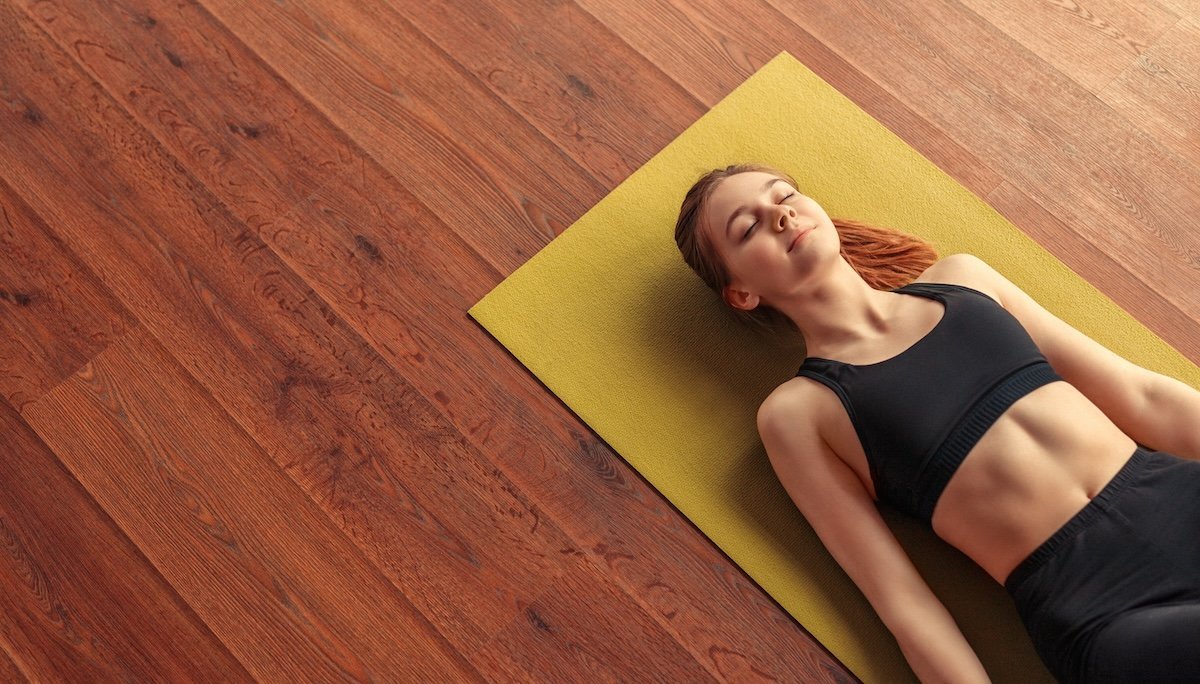 Think you can only meditate in lotus position? Wrong! If you have mobility or pain issues – or are simply restless – you may be better suited to meditating while lying down flat on your back. Our meditation expert Ann Vrlak shows you, including a full inner body guided meditation. One of the many myths about meditation practice is that it must be done in a sitting posture, crossed-leg, and with an elongated, straight back. You can probably imagine that posture right now or may have tried it yourself in the past. And while there are good reasons why this traditional meditation posture is used, there are also many benefits to practising meditation lying down. So, if you’ve ever asked, “Can you meditate lying down?” The answer is: yes, you most definitely can! Why Would You Practice Meditation Lying Down? How do you meditate if you have an injured knee? Or, if you’re a senior and find it difficult to sit for long periods of time? Does that mean you can’t meditate? No, because meditation is for everyone. No physical issue, age, injury or even just fatigue should keep someone from enjoying the benefits of meditation. You can meditate in any position, including lying on the floor Consider this. Have you ever been to any yoga classes? If you have, you know that teachers offer different versions of a pose, for people with different levels of experience or ability. Indeed, there's always more than one way to practise a pose. The same is true for meditation. For example, Vidyamala Burch, a meditation teacher and recipient of the Order of the British Empire, has lived her whole adult life with chronic pain. She offers options in her guided practices for people to meditate in any position, including standing. “While there are good reasons why this traditional meditation posture is used, there are also many benefits to practising meditation lying down.” Knowing you can meditate lying down also sends a message: meditation can be a natural, adaptable part of everyday life. You can meditate before sleep or when you need a quality break in your day. The Key Benefits of Meditation Lying Down Here are three main benefits to practise meditation while lying down: 1. It’s restful For most people, lying down is a restful position that is easy to maintain for short or long periods of time. It allows your body to really relax, which is a great start for any meditation practice. 2. It’s accessible We have already mentioned that this position makes meditation accessible to anyone who finds sitting difficult because of an injury or an ongoing limitation. 3. It supports healthy posture Because your body is fully supported while lying down, gravity helps your spine to move into proper alignment. A Guided Practice Script This guided practice for meditation lying down is a variation of a body scan meditation practice called inner body meditation. Follow this script when preparing to practise a lying-down meditation. It can be practised as a morning meditation or at any time during your day. Get comfortable. Take as long as you need to find a supported position on your bed or floor. Try to ensure you will be warm and cosy for the duration of the practice. RELATED: Restorative Yoga: Poses That Invite Deep Relaxation In How to Meditate in Bed For Beginners Conscious Breathing: What Is It and How Can We Benefit From It? Once you’re settled, close your eyes if that is comfortable for you and begin to notice the sensations of your breath – in your nose, chest and belly. Inner body meditation connects you deeply to yourself The first step of the inner body meditation is to notice the inside of your hands, without moving them or looking at them. The idea is to locate your hands only using sensation. You might notice a buzzing or tingling in your palms. Or, a sensation of pulsing or flow. There isn’t any right thing to notice. Just let your attention settle into your hands, as best you can. There's no rush. If and when you notice your attention moving away, into thinking for example, that's totally OK and to be expected. Simply notice that you have drifted off and bring your attention kindly back to the sensations inside your hands, without any judgement. Just begin again. “Lying down is a restful position, easy to maintain for long periods. It allows your body to really relax, which is a great start for any meditation practice.” When you feel ready to move on, shift your attention into your arms – your forearms, elbows and upper arms. What sensations are you having that tell you: “arms.” You are an inner explorer, noticing with deep attention what is happening in your body, right now. Stay as long as you like here, noticing as much as you can. Then let your attention move up into your shoulders, front and back. This area often holds a lot of tension for many of us. Just pay attention here, as if shining a light inside your shoulders. What do they feel like? How do you know you have shoulders? MORE LIKE THIS: Deep Sleep Meditation: the Benefits You Can Bring to Bed Does Meditation Really Work? Here's What Science Says 10 Types of Meditation: Which Style is Best For You? Now, pay attention to your torso: your chest, solar plexus and belly, your upper back. Continue noticing the subtle sensations in this central part of the body. Go slowly. Take your time. And your hips and lower back. Feel into this stabilizing part of your body, front and back. What do you feel here? Space, coolness, tightness? Now, let your attention move down into your legs and feet. Without moving, ask yourself: how do I know I have legs? What can I feel, right here and now, inside of my legs? You are almost done. Bring your attention now up to your head – to your neck, cheeks, forehead and scalp. This part of the body is so much a focus of our day to day experience. What is present here in your inner body? Notice as many sensations as you can. Meditation laying down supports a healthy posture Finally, experience your body as one whole energy field. From the top of your head, to the tips of your toes, feel all the sensations at once. Fill your body with awareness. Be present in your body. Stay with this final step as long as you like: experiencing yourself fully in your body. RELATED: How to Do Yoga Nidra: 4 Steps and Script When you're ready to finish, make any gentle movements that you like holding your attention in your body a bit longer as you do. Slowly let your eyes open and finish. Carry this inner body awareness with you into the remainder of your day. A Few Tips to Meditate While Lying Down Three extra tips on how to maximise your meditation while lying down. Think Big. Use the support of the surface under you to open your body. Keep your arms a comfortable distance from your sides to open your chest. Let your feet flop open to the sides. Slightly stretch your height from the top of your head to the tips of your toes. Think Cosy. Watch for any slight strain on your lower back or knees, for example. Use bolsters, cushions, blankets or other props so you’re comfortable and not tensing any muscles to avoid discomfort. Think Heavy. As you get settled, imagine your body getting heavier and heavier. You may find that it takes a few moments to truly relax and allow your body to completely let go. Sometimes we hold ourselves up, even when lying down! Takeaway: Meditation Lying Down So, can you meditate lying down? Yes, and in fact, it can be a great way to expand your idea of what meditation is and integrate it into your day in different ways. If you’ve had a tough week, are down with a cold or just want to take a rejuvenating break before getting back to work, try this inner body meditation. Meditation practice is versatile and meant to meet you wherever you are in your day – or in your life. • Images: shutterstock/Max Kegfire, shutterstock/Ben Molyneux, shutterstock/A.Azarnnikova happiness.com | The fine art of being: learn, practise, share Are you a happiness.com member yet? Sign up for free now to enjoy: ■ our happiness magazine with practical life tips ■ share and support in our happiness forum Stress management | Mindfulness | Burnout Written by Ann Vrlak Ann Vrlak is Founder of OneSelf Meditation and a meditation practitioner for over 25 years. She’s a Certified Meditation Teacher for adults and for children (the best job ever!). She loves to share how the perspective and practice of meditation can support people with their everyday stresses and on their journey of self-discovery.
 -
 Hello, my name is Linda! Wanted to reach out and wish everyone well. By day you will see me helping other's find inner peace, if I'm not there, I'm narrating my podcast "Cultivating Calm Within.) I love articulating articles for inner peace and how I came about finding inner peace myself. So, I share my journey and there steps of practice that brought me here. I am looking forward to meeting new people here on Happiness.
-
The signs of Need? Are you feeling them? I first understood what they were when my heart started beating a thousand beats per minute and panic wretched my body as I grabbed my heart. A stroke? Damn straight, who was I to think that I could be a single mom and take on raising a six-year-old-girl, pay bills, and carry all the demands of life without suffering. Does this sound familiar to you? Phrase: "No one can get inner peace by jumping on it." author unknown, yet, I can totally relate to this phrase. I read and hear people complain about how they are feeling physically and mentally. I'm depressed. I'm unhappy. I'm this or that. But, what I want to hear is what kind of work they are putting into the mind, body, and soul to feel balanced and full of harmony? I call this mental noise with no effort. That stroke I suffered, reality check! A light switch turned on; saying that I cannot leave my daughter alone in this world to fend for herself. What about you?
-
How to Find Yourself Again: 10 Steps in Creating Clarity
Calvin77 posted an article in PERSONAL GROWTH
 Feeling off-track in life can make us unhappy and unfulfilled, but we should take it as an opportunity for self-discovery. Dee Marques explains how you can help to find yourself and your true purpose again through 10 steps, from journal prompts to embracing solitude. There are moments in life when we feel lost and unsure of who we are or where we're heading. Perhaps it's following a significant life change, such as the loss of a loved one, a change in your professional life, or the disintegration of a meaningful relationship. If you’ve been there, you know that these seasons in life can be tough and uncomfortable – and you’re not alone. Feeling lost isn't uncommon. In the UK, nearly 90% of Brits aged between 16 and 29 say they lack meaning and direction in their lives. Similarly, in the US, a study by Harvard found that nearly 60% of young adults had felt a “void in their lives” within the last 30 days. But built into this lack of clarity and direction there’s also an invitation to go on a journey of self-discovery and personal growth. If you’re wondering how to find happiness from within or how to go about finding yourself again, you’re in the right place. Let's look at what finding yourself truly means, the benefits of starting off in this journey, and 10 suggestions on how to find yourself – including some journal prompts for self discovery. Start self-discovery and find your path to success What does it mean to really 'find yourself'? Finding yourself is a journey of self-discovery, but it’s not like the typical journey where you go from A to B in a linear way. When it comes to inner work, we don’t always know what the destination is or what it will look like. Also, this journey can be continuous. After a period of soul-searching, we can get some insights into who we are and what our next step is, but these revelations won't necessarily be valid for the rest of our lives. As we age and face new experiences, our perspectives evolve, making self-discovery an ongoing process. “Finding yourself is a journey of self-discovery, but it’s not like the typical journey where you go from A to B in a linear way. When it comes to inner work, we don’t always know what the destination is or what it will look like.” Indeed, the self-discovery journey isn't about reaching a final destination but about embracing the process of becoming. It's about understanding who you are, which are your true values, the passions that drive you forward, your strengths, and the unique combination of accumulated experiences that make you who you are. Finding yourself means recognising that change is constant and that self-awareness helps you navigate the ups and downs in life with clarity and purpose. Benefits of finding yourself Sometimes, we may be tempted to postpone the self-discovery journey. Perhaps at a subconscious level, we know that truly finding ourselves is going to require radical honesty. But if you push past the initial resistance, finding yourself can be transformative and liberating. The commitment to cultivating self-awareness offers many rewards, including: A better sense of direction Our thoughts and emotions impact our choices and behaviours, so increased self-awareness can help us make decisions and develop habits that get us closer to where we want to be in life. Improved mental health Studies show that Self-awareness influences our levels of emotional regulation and emotional intelligence, so we become better at monitoring our emotional reactions and modulating them so they don’t hijack our mental well-being. In other words, we’re more in control of our internal states. High-quality relationships A UK study found that self-awareness was closely linked to improved social interactions. The reason? Probably because through self-discovery, we learn to develop healthy boundaries, as well as compassion and acceptance for ourselves and others. Increased resilience As we move through self-discovery journey, we become more aware of our strengths and we learn new coping tools. This is helpful when things are tough, as we’re better equipped to move forward with ease. Greater life satisfaction Knowing that you’re living in alignment with your values and goals is one of the most rewarding experiences. Authentic living is the antidote to that existential void that so many people experience. How to find yourself So, if you're feeling stuck in life, here are 10 steps you can take to find clarity about who you really are and what you want your life to mean. But remember; our goals and visions constantly change, so be prepared to repeat these steps at various stages of your life journey. 1. Practice self-reflection Set aside time regularly to reflect on your experiences, emotions, and reactions. Journaling can be a powerful tool, allowing you to track patterns and gain insights into your inner world. Finding yourself is made easier with journal prompts for self discovery 2. Explore your energy sources Make a list of the actions and interactions that fill your physical and emotional energy deposit. Then, make a list of the things that drain your energy. This helps you make choices aligned with your passions and create sustainable habits – protecting your energy is essential to your well-being. 3. Reconnect with your hobbies Hobbies aren’t just things we do to fill time – they can help express your true self better and reveal aspects of yourself that may have been dormant. Consider trying a new activity every month to discover what resonates with you, or revisit anything you once used to loved but stopped doing. 4. Practice mindfulness Through mindfulness, you become more attuned to your thoughts and feelings, which helps cultivate a stronger sense of ownership and presence throughout your life. “Finding yourself is a journey of self-discovery, but it’s not like the typical journey where you go from A to B in a linear way. When it comes to inner work, we don’t always know what the destination is or what it will look like.” Incorporate as many as our mindfulness tips for staying engaged into your daily routine, from something as simple as mindful showering to something that require a bit more effort and thought on your behalf, such as mindful appreciation. 5. Reflect on your values Identifying your core values shows you what matters most to you and is essential to ensure your actions and decisions are a reflection of your true identity. This exercise is a personal favourite on how to find yourself through your values. 6. Archetype work Archetypes are universal characters (like the Hero, the Rebel, or the Caregiver) that represent parts of our psyche. Exploring which ones resonate with you through journaling, creative writing, or the PMAI assessment can help you understand your deeper drives in a powerful and symbolic way. MORE LIKE THIS: 'Why Do I Hate My Life?' 10 Ways To Start Loving It Again Discover the 10 Keys To Happier Living How to Stop Beating Yourself Up: 7 Techniques That Work 7. Dare to be uncomfortable Finding yourself isn’t just about theoretical exploration – it’s important to take aligned action, even if it feels uncomfortable at first. New experiences challenge you, offer fresh perspectives, and can lead to personal growth. 8. Embrace solitude Finding yourself can only happen when you make time and space for it, away from digital distractions and external influences. Moments of solitude are perfect to tune into your thoughts and feelings with greater clarity. How to find yourself again? Solitude can help you clarify feelings 9. Set personal goals Create a weekly or monthly action plan with specific goals that matter to you. For example, you could choose to experiment with new ways of practising a character strength, or ensure that every choice you make in the next 7 days reflects one of your core values. 10. Seek support Finding yourself doesn’t have to be a lonely journey. Mentors, coaches, and therapists can guide and support you with different tools and frameworks that can broaden your self-discovery journey. Journal prompts for self discovery To get you started in this journey, here are some self discovery questions that can help uncover more about your true self. Ask yourself them and keep a note of the answers in a journal and reflect on them. • If fear weren’t a factor, what choice would I make today? • What patterns keep repeating in my life — and what might they be trying to teach me? • When do I feel most alive and engaged? • What things I couldn’t live without? • What are my greatest strengths and how do I use them? • What fears are holding me back from pursuing my passions? • Who inspires me and why? • What does success look like to me? • What’s my biggest learning experience in life so far? • What part of myself have I silenced to fit in? • What legacy do I want to leave behind? Takeaway: finding yourself again The journey to finding yourself requires courage and patience, but it’s the path to a more meaningful life. While the journey may be challenging at times, the rewards – a clearer sense of identity, purpose, and fulfilment – are invaluable. As Carl Jung said, “who looks outside, dreams; who looks inside, awakes”. Remember that it's OK to feel lost in life while you explore how to find yourself. Just take it one step at the time, using the suggestions in this article to navigate the depths of your inner world. So why not start today, maybe with one of the self discovery questions above? ● Images: shutterstock/KieferPix, shutterstock/Daniel Hoz, PeopleImages - Yuri A happiness.com | The fine art of being: learn, practise, share Are you a happiness.com member yet? Sign up for free now to: ■ enjoy our happiness magazine with practical life tips ■ share and support in our happiness forum Goal setting | Purpose of life | Healthy habits | Letting Go Written by Dee Marques A social sciences graduate with a keen interest in languages, communication, and personal development strategies. Dee loves exercising, being out in nature, and discovering warm and sunny places where she can escape the winter.
 -
 Can our childhood experiences with caregivers shape the relationships we form as adults? Sonia Vadlamani explores what emotional abandonment looks like and how to recognize the signs of abandonment trauma. Being left behind entails a distinct kind of pain – it’s unlike the expected heartache of loss or the closure at the end of a relationship. The trauma stemming from emotional abandonment isn’t always obvious. Its subtle presence influences every decision you make, relationships you build, and even your self-worth – yet you may not identify it as trauma at all. What is Abandonment Trauma? Abandonment trauma is a profound psychological wound that occurs when the consistent care necessary for a person’s emotional and physical well-being is withdrawn during their childhood or later in life. It can arise due to mental or physical abuse, neglect, rejection, loss of a caregiver or partner, or divorce. People struggling with fear of abandonment may develop destructive behaviors, low esteem and chronic self-doubt. They may sabotage relationships by reacting with anxiety or mistrust, creating challenging patterns that are difficult to break without intentional effort and support. Types of Abandonment Trauma Abandonment trauma doesn’t manifest the same way for every individual. In 1969, British psychologist John Bowlby proposed the “attachment theory”, defining attachment as “the lasting psychological connection between two human beings.” He emphasized that the quality of our relationships with our caregivers significantly influences our cognitive and behavioral development, as well as our social connectedness in life. Abandonment issues often stem from childhood neglect or abuse Based on their experiences through childhood and growing years, individuals may develop secure or insecure attachment styles. Individuals with a secure attachment style tend to be responsive, warm, and capable of forming healthy, fulfilling relationships since they can trust others with greater ease. Conversely, children and young adults who don’t receive conscious, consistent caregiving often develop insecure attachment styles – namely anxious, avoidant and disorganized: Anxious attachment style This is often observed in individuals who are clingy, needy and co-dependent in relationships. According to a study published in The Journal of Personality and Social Psychology, almost 20 percent of adults form anxious attachment patterns in their relationships. Adults with anxious attachment usually latch on closely in relationships – whether friendships or romantic partnerships – and can be emotionally reactive, fearing every conflict as a threat of being left behind. They may seek constant reassurance of love, be hypervigilant to behavioral changes or withdrawal, and ignore their own needs to make room for others, consequently struggle to live an authentic life. Avoidant attachment style This pattern often develops when children or young adults are repeatedly dismissed, ignored or rejected emotionally by their caregivers. Individuals who learn that expressing their needs or feelings result in criticism or indifference often adapt by suppressing their needs altogether to avoid disappointment. “Abandonment trauma is a profound psychological wound that occurs when the consistent care necessary for a person’s emotional and physical well-being is withdrawn during their childhood or later in life.” These individuals may appear self-reliant and independent as adults, but often feel uncomfortable showing emotional intimacy, conflict or vulnerability, tending to withdraw when they get “too close” in relationships. Adults with avoidant attachment style due to abandonment may also emotionally stonewall their partners, even in committed relationships. Disorganized attachment style This is considered the most complex and damaging attachment style, typically arising in adults who received fearsome or distressing experiences from their caregivers, often in the form of abuse or neglect. Adults with disorganized attachment tend to struggle with emotional regulation, chaotic relationship patterns, and contradictory behaviors such as simultaneously pursuing intimacy yet dreading closeness. In fact, a study published in Archives of Psychiatry and Psychotherapy found a positive correlation between disorganized attachment style and mental health conditions such as Borderline Personality Disorder (BPD). Signs of Abandonment Trauma If you’ve ever wondered, “Do I have abandonment issues?”, you already may have noticed patterns and behaviors that don’t always make logical sense. Whether it’s the disproportionately intense reactions, the recurrent relationship cycles, or the hypersensitive feeling that you’re just one mistake away from being abandoned – over time, these reactions don’t sit quite right, prompting you to question these patterns. A keen look at the signs of abandonment issues can help you recognize these unhealthy patterns – for after all, awareness is the first step toward healing. 1. Difficulty Regulating Emotions A breakthrough study by Center on the Developing Child at Harvard revealed that the absence of “serve and return interaction” – or consistent care by a caregiver to a child – can disrupt their brain development, potentially leading to serious physiological problems with their learning, behavior and health. MORE LIKE THIS: Inner Child Work and Therapy: How to Heal Past Wounds What is Quiet Borderline Personality Disorder Recognizing and Overcoming Emotional Dependency As adults, those with insecure attachment styles may struggle with regulating their emotions in a healthy manner, swinging between intense expressions and emotional numbness. Consequently, emotional instability and insecurity are some of the most prominent traits in individuals with abandonment trauma, owing to neglect or inconsistent caregiving in their childhood. 2. Fear of Intimacy and Commitment Building close, healthy, and intimate relationships is often a challenge for those with abandonment trauma. Indeed, research published in Journal of Personality and Social Psychology suggests that attachment style plays a key role in shaping romantic relationships. For adults with avoidant dismissive attachment, the fear of being hurt or left again can cause them to avoid deep emotional connections altogether. Abandonment trauma can lead to trust issues in relationships 3. Experiencing Trust Issues “Children and adults may manifest similar emotions and concerns with regard to abandonment trauma, but because of different phases of development, they may contrast with behaviors. Common themes for both can include mistrust of others and feeling inadequate or ashamed within relationships,” explains Elizabeth Keohan, a licensed certified social worker. “Even when their intellect recognizes someone as trustworthy, individuals with signs of abandonment issues often have difficulty quelling feelings of mistrust.” A 2023 study published in Personality and Social Psychology revealed that individuals with insecure attachment styles show significantly lower ability to develop trust in relationships. Indeed, even when their intellect recognizes someone as trustworthy, individuals with signs of abandonment issues often have difficulty quelling feelings of mistrust. 4. Being Hypervigilant Abundance trauma from childhood can trigger the brain to stay on a high alert to adapt to a potentially threatening environment, also known as hypervigilance. The constant lookout for perceived signs of rejection or loss makes such individuals hypersensitive to conflict or disagreement. In fact, a study in Journal of Social Psychology found that individuals with rejection sensitivity exhibit heightened physiological stress responses such as an elevated heart rate, even toward mild criticism or constructive feedback. 5. Experiencing Chronic Loneliness People with emotional abandonment issues – especially those with an anxious attachment style – tend to view loneliness as not just an uncomfortable condition, but a threatening one. A study by researcher Luke Norman and colleagues found increased amygdala activation in response to loneliness in adults with an insecure attachment style, compared to those with a secure attachments. Chronic loneliness is a sign of abandonment issues This fear of loneliness can result in forming unhealthy connections simply to avoid solitude, seeking constant company, and making major life decisions driven by the need to avoid loneliness, rather than by genuine will. 6. Being a People-Pleaser Individuals with history of emotional abandonment often feel the compulsive need to please others, sometimes at the cost of their own values and boundaries. This trait is especially common among adults with anxious attachment styles, who go the extra mile to accommodate others while ignoring their own needs. RELATED: 9 Signs Your Inner Child is Healing The underlying belief here is often: If I’m accommodating and indispensable enough, I will not be left behind. Sadly, this tendency can result in taking responsibility for others’ feelings and emotions, losing touch with one’s own “sense of being” and authentic self over time. 7. Experiencing Physical Health Issues Abandonment trauma doesn’t just affect our mind, but takes a toll on our bodies as well. Research from The Lancet Public Health showed increased risk of mental and physical health problems like cancer, heart disease, and respiratory disease for adults who experienced trauma in their childhood. “Those with a history of emotional abandonment often feel the compulsive need to please others, sometimes at the cost of their own values and boundaries.” Emotional abandonment can also manifest as higher dependance on alcohol, low physical activity, chronic pain, stress-induced digestive issues, and frequent panic attacks – all in response to unresolved emotional trauma. 8. Struggling to Find the Meaning of Life Research suggests that adults with history of childhood trauma often struggle with spirituality or faith later in their lives, often experiencing detachment with their purpose in life. Abandonment issues can also emerge in the form of dissatisfaction and questioning what’s the point of life. Treating Abandonment Issues Healing from abandonment issues starts with self-awareness. Understanding what triggers you and consciously working through those feelings requires support and patience. Some effective approaches include: Seeking therapy to explore your triggers and address your attachment patterns. Trauma-focused methods like somatic experiencing address and resolve your stored stress responses, while attachment-based therapy helps you understand and reshape your attachment patterns in relationships. Breaking your insecure attachment patterns by accepting that it’s OK to be vulnerable and stay in discomfort rather than fleeing or clinging when conflicts happen. Asking for help, building boundaries instead of people-pleasing, and tolerating time alone instead of giving in to fear of abandonment are some ways to consciously move toward secure attachment styles. Developing self-compassion by incorporating mindfulness practices, meditation, or breathwork exercises to stay grounded in the present moment and avoid reacting to triggers. Improving your emotional regulation with clearer understanding of your triggers and patterns. Creating newer neural pathways with these practices, despite setbacks and challenges. Remember, consistent effort in this direction can help you loosen the grip of your abandonment issues and reaffirm that you’re worthy of secure love. Takeaway: Recognizing Abandonment Trauma The trauma of emotional abandonment is often the most painful yet invisible wound we carry through life. It pervades through how we view ourselves and shapes our relationships – often without us even noticing its influence. Indeed, while the signs of abandonment issues such as the fear of intimacy, heightened sensitivity to conflict or disagreement, or difficulty trusting others aren’t character flaws, they actively prevent us from building meaningful connections and leading a purpose-driven life. Recognizing the signs of abandonment trauma from the lens of attachment patterns helps us understand our behaviors and make course-corrections – without self-blame and within a supportive environment. ● Images: F01 Photo, Ministocker, Srdjan Randjelovic happiness.com | The fine art of being: learn, practise, share Are you a happiness.com member yet? Sign up for free and enjoy: ■ our happiness magazine with practical life tips ■ share and support in our happiness forum Assertiveness | Conscious Living | Letting Go Written by Sonia Vadlamani Fitness and healthy food blogger, food photographer and stylist, travel-addict and future-self journaler. Sonia loves to write and has resolved to dedicate her life to revealing how easy and important it is to be happier, stronger and fitter each day. Follow her daily pursuits at FitFoodieDiary or on Instagram.
 -
 Unlike regular massage techniques, holistic Ayurvedic massage therapy balances the body, mind, and energetic field. Rachel Markowitz outlines the techniques and benefits of different types of Ayurveda massage, such as abhyanga, shirodhara and udvartana. Ayurveda, Sanskrit for “life science,” is ancient India’s traditional health system for holistic well-being, still relevant as ever. The vast field of Ayurveda includes regimens for diet and exercise, herbal supplements and medicines, cleansing practices, and various therapies. Unlike conventional healthcare, Ayurvedic treatments depend on our unique inherent qualities, aiming to balance both natural and temporary imbalances. Because of this, Ayurvedic wellness plans are specific to each individual. Ayurveda is all-encompassing, containing a world of principles, techniques, and terminology. However, if you’re curious about Ayurvedic healing, there’s an accessible, risk-free, and relaxing way to experiment with these time-tested customary practices: get a massage! What is An Ayurvedic massage? Although on the surface some types of Ayurvedic therapies appear similar to other massage techniques, the scope of Ayurvedic massage extends far beyond typical spa treatments. Whereas most modern massage techniques focus solely on relieving physical tension and promoting relaxation, Ayurvedic massage therapy incorporates a holistic view of wellness – aiming to harmonize and balance the body, mind, and energetic field. Ayurvedic massage with herbal balls Thus, while Ayurvedic massages can certainly be used to reduce stress or improve health, they also promote overall well-being in all dimensions of life. In fact, in India, doctors often prescribe Ayurvedic massage as an integral component of medical treatments. Types of Ayurvedic Massage Ayurveda is based on the concept that we are composed of a combination of three distinctive energies called doshas – and that each person’s constitution is a unique balance of these energies. A person’s natural composition, called Prakriti, and their current state of balance or imbalance, called Vikriti, both play a role in the healing methods recommended by Ayurvedic health, including massage therapy. Therefore, the following Ayurvedic therapies are typically adapted to their recipients. 1. Abhyanga Abhyanga is a full-body Ayurvedic massage that uses warm, and often herb-infused, oils to penetrate the skin. In Abhyanga massage, a therapist will select or blend massage oils with specific medicinal properties based on an individual’s Ayurvedic constitution or healthcare needs. Abhyanga uses gentle, consistent pressure. It increases energy flow and blood circulation throughout the body with long, rhythmic strokes, which, along with therapeutic oils, help treat the physical body while relieving stress. Although Abhyanga massage is a common spa offering, it is primarily considered a self-massage technique and part of a well-balanced daily health routine. 2. Shirodhara Shirodhara massage is the long-established therapy of slowly pouring warm liquid onto a person’s forehead – the location of the pineal gland and, in the energetic (subtle) body, ajna chakra (also known as the third eye). According to Ayurveda, stimulating this vital point between the eyebrows affects both the nervous system and a person’s flow of life force energy. “Ayurvedic massage therapy incorporates a holistic view of wellness – aiming to harmonize and balance the body, mind, and energetic field.” Although it’s most common to use medicinal (herb-infused) oil for Shirodhara, this therapy can also be performed with milk, buttermilk, water, or coconut water. Like other forms of Ayurvedic massage, Shirodhara calms the mind and balances the doshas. It’s been utilized in India for thousands of years for treating insomnia, headaches, neurological disorders, and mental distress. According to the California College of Ayurveda, this treatment also invites spiritual awakening via the third eye center. 3. Udvartana Udvartana massage utilizes herbal powders – usually dry but sometimes mixed into a paste with ghee. On the surface, the friction from these herbs, massaged in an upward direction, heats and exfoliates the skin. On an inner level, Udvartana stimulates circulation and lymphatic drainage and releases toxins from the body. MORE LIKE THIS: Kundalini Meditation: 4 Key Benefits and How to Practise It 5 Techniques to Balance Chakras and Unblock Energy Flow Conscious Breathing: What is It and How Do We Benefit From It? Udvartana is a common Ayurvedic massage therapy for weight loss and to treat obesity, high cholesterol, and diabetes. It’s also recommended to boost metabolism as part of a daily health routine. In professional treatment settings, Udvartana massage is often followed by an herbal steam bath. 4. Marma Chikitsa Marma therapy, called marma chikitsa in Sanskrit, stimulates points of vital energy that relate to specific aspects of the physical and energetic body. These points, called marma points (or simply marmas), are similar to the acupressure points that form the foundation of Traditional Chinese Medicine. However, unlike acupressure points, marma locations are measured relative to each unique body and can differ from person to person. Targeting marma points through touch or massage techniques releases energetic blockages, leads to overall balance, and can remedy both physical ailments and lifestyle-induced stress. Energy therapy using marma points can also be integrated into other Ayurvedic healing modalities. Approaches to Ayurvedic Massage Ayurveda’s distinguishing methodology includes not only its physical massage techniques, but also its use of natural ingredients and its emphasis on balance. Massage techniques Ayurvedic massages are typically light in pressure. Therapists trained in Ayurvedic practices use specific manual techniques, similar to other types of professional massage, including: Samvahan (Effleurage): Long, smooth gliding strokes, often used at the beginning of a massage to spread oil, warm muscles, and increase circulation and lymphatic flow. Mardan (Petrissage): Deep massage techniques, including kneading and rolling, for working on muscle tension and function. Tapatan (Tapotement): Rhythmic tapping or drumming on the body, either with fingers or hands, to stimulate nerve endings and circulation while promoting healthy skin. Pesin (Friction): Quick movements, back and forth or in circles, to generate heat and increase blood flow and break up knots – often using the thumbs. Use of Oil and Herbs As mentioned earlier, Ayurvedic therapies make use of traditional plant-based medicines. Common base oils used for Ayurvedic massage include sesame, coconut, almond, castor, and mustard. These oils are often blended with medicinal herbal oil blends, known as tailams, that offer specific therapeutic benefits. Shirodhara massage uses oil on the forehead Emphasis on Balance The therapies, oils, and herbs recommended for a person’s therapy depend on their Prakriti, along with their current state of balance. An qualified Ayurvedic healthcare practitioner can often identify your constitution using pulse, tongue, or eye diagnosis. “Like other forms of Ayurvedic massage, Shirodhara calms the mind and balances the doshas. It’s been utilized in India for thousands of years for treating insomnia, headaches, neurological disorders, and mental distress.” However, to know your unique composition and how to balance it, it’s helpful to take a test. Regardless of your constitution or health ailments, Ayurvedic massage therapy aims for health and wholeness on all levels. Benefits of Ayurvedic Massage Along with helping us to simply feel cared for and at ease, the holistic benefits of Ayurvedic massages include: Detoxification Ayurvedic massage therapies release toxins, called ama, from the body by activating the lymphatic system through friction and using herbal medicine to penetrate the skin. According to Banyan Botanicals, massage and other Ayurvedic cleansing techniques work by drawing toxins out of body tissue and directing them towards the digestive tract. Skin health Ayurvedic oils moisturize skin and are infused to provide health benefits to each person’s unique composition and treatment needs. Other techniques, such as Udvartana massage, involve exfoliation and overall skin rejuvenation. Furthermore, Ayurvedic herbs and oils can serve anti-inflammatory, anti-aging, and cosmetic purposes. However, Ayurveda sees healthy skin as the reflection of internal health and not vice versa! Improved circulation Stimulating the body through touch increases both circulation and lymphatic drainage. In Ayurveda, blood circulation is closely related to overall nourishment and health, delivering oxygen, nutrients, and energy to the body. Stress relief Clinical tests validate the stress-relieving qualities of Ayurvedic therapies; in fact, a 2011 study found that participants experienced less stress and a lower heart rate after just a single hour-long Abhyanga massage. Furthermore, clinical research published in the Journal of Ayurveda and Integrative Medicine found that Shirodhara massage treatments effectively induced relaxation and improved stress-related ailments. Balance Regardless of specific health intentions, the dosha-stabilizing effects of Ayurvedic massage lead to an awareness of how to balance the body, mind, and heart. When we begin to take steps towards holistic health, we see positive responses in all dimensions of life. Takeaway: Ayurvedic massage Ayurvedic massage includes traditional therapies customized for each individual, promoting physical, mental, and energetic balance. These practices use various massage techniques, oils, and herbs, and some are recommended as part of a daily routine for self-care and wellness. Ayurvedic treatments are not merely a way to retreat from daily stress, but a path for exploring our current state of health, inside and out. Images shutterstock/ArtSvetlana, shutterstock/Poznyakov happiness.com | The fine art of being: learn, practise, share Are you a happiness.com member? Sign up for free to enjoy: ■ our happiness magazine with practical life tips ■ sharing and supporting others in our happiness forum Holistic Medicine | Acupuncture | Reflexology | Aromatherapy Written by Rachel Markowitz Rachel recently found herself over a decade deep in a worldwide wander guided by what she feels to be true. She’s been facilitating classes and workshops on yoga, meditation, self-exploration, and alternative ways of living since 2012, mostly in Latin America and Asia. These days, she spends most of her time looking at, walking around, or singing to a sacred mountain in southern India. Read more of her words at her to those who wonder blog.
 -
What is Equanimity? Meaning, Benefits, and How to Cultivate it
Calvin77 posted an article in PERSONAL GROWTH
 Equanimity is a state of holding mental and emotional stability and calmness, especially during stressful situations. Dee Marques explores 7 key benefits of this superpower emotion and tells us how we can all become more equanimous... We all go through moments that test our patience. Maybe it's the driver who cuts you off in traffic, the colleague who takes credit for your work, or the neighbour who keeps leaving piles of boxes and packaging in the landing. We may start our day with the best intentions, but sometimes, these situations get the best of us, leaving us agitated and on edge. If you’re reading this article, you’re someone committed to personal growth and self-improvement, so chances are you’ve been thinking about what’s the best way to respond to this type of events. And while there’s no shortage of advice on stress management and emotional regulation, there's a crucial quality that often goes unmentioned: equanimity. So, what is equanimity exactly? Let's explore the essence of this trait, looking at its true meaning, its profound benefits, and some practical strategies to cultivate it. What is equanimity? Definition and meaning of equanimity The word "equanimity" comes from the Latin aequanimitas, which combines aequus (meaning "even" or "level") and animus (meaning "mind" or "spirit"). Essentially, it refers to an evenness of mind, a state of internal stability and composure that's not disturbed by experiences that could otherwise make us lose our inner balance. Equanimity meaning: undisturbed internal stability in the face of stress This is also an important concept in Buddhism, where equanimity is referred to as upekkha. This word is formed from the Pali prefix upa, which means “over” or “all around,” and the root ikh, meaning “to look” or “to see.” So upekkha is the capacity to see the full picture, of being inclusive in our vision, embracing many perspectives without taking sides. Equanimity is gaining recognition in the field of mental health. For example, in personality psychology there’s a link between equanimity and resilience, as the intentional practice of this trait can counter high neuroticism and strengthen the ability to cope with stressful situations. “What is equanimity? It refers to an evenness of mind, a state of internal stability and composure that's not disturbed by experiences that could otherwise make us lose our inner balance.” Understanding the meaning of equanimity also involves recognising its opposite: a state of agitation or emotional reactiveness. Without equanimity, we’re likely to feel dominated by impulses and extreme mood swings that make it difficult to handle stress effectively. But although equanimity involves maintaining a balanced and non-reactive approach, it doesn't imply a lack of care or being emotionally cold. As meditation teacher Jack Kornfield notes, “True equanimity is not a withdrawal; it is a balanced engagement with all aspects of life. It is opening to the whole of life with composure and ease of mind, accepting the beautiful and terrifying nature of all things.” Benefits of equanimity Now we understand the meaning of equanimity, let's see how cultivating more of it does wonders for us. 1. Enhanced emotional resilience Equanimity improves the ability to recover from emotional setbacks. Research suggests that people with higher levels of equanimity have greater resilience, as they minimise both the magnitude and the duration of their response to events perceived as negative or unpleasant. 2. Stronger self-regulation There’s also evidence that equanimity helps control disruptive emotions and improve emotional regulation. This trait “tempers” both behavioural and cognitive responses to life experiences, so that we’re not constantly thrown into emotional ups and downs. 3. Improved stress management Sometimes, we can’t help but feel stressed. Equanimity can reduce the impact of stressors by helping us return to a balanced state faster. In turn, this can help reduce the allostatic load of stress (the cumulative effect of stress on body and mind), making us less likely to develop associated conditions, ranging from heart disease to Type 2 diabetes or depressive disorders. Cultivate equanimity with conscious breathing and meditation 4. Reduction in anxiety and depression Since equanimity is about achieving higher levels of emotional stability, its practice can alleviate symptoms of anxiety and depression and gradually lead to fewer mood disturbances. 5. Increased self-awareness Responding to life with composure requires monitoring our reactions, so the regular practice of equanimity promotes self-awareness and leads to a deeper understanding of our thoughts and emotions. 6. Better decision-making We can all remember that decision we made from a place of emotional reactiveness –as well as its negative consequences. RELATED: Inner Peace: 3 Key Techniques to Finding It Mindfulness Vs Meditation: What's the Difference? 5 Skills You'll Learn Through Meditation Since equanimity keeps us disengaged from emotional fluctuations, it facilitates a clearer assessment of situations, so our mind is less likely to be clouded by impulses, helping us make more rational and thoughtful decisions. 7. Quality relationships There’s no doubt that emotional balance contributes to more harmonious interactions. Not only that, but in reducing our judgements towards others, we can build connections based on greater empathy, compassion, and understanding, reducing conflict and fostering healthier relationships. Examples of equanimity Here are some situations from daily life that can easily pile up and where equanimity can be of great help: • Interpersonal conflicts This trait can help us remain calm during disagreements with friends or family members. • Receiving criticism A composed spirit makes it easier to accept feedback without becoming defensive. • Daily annoyances Being equanimous can take the edge off daily hassles, such as dealing with bad drivers, people jumping the queue, or inconsiderate neighbours. • Unexpected changes This trait is key in helping us adapt gracefully to sudden alterations to our plans or to interferences with our daily routines. • Technological frustrations An equanimous approach is a must in the digital era, as it allows us to keep our cool when we are repeatedly asked for passwords/pin codes, devices malfunction, or internet connections are slow. Cultivating equanimity: meditation and more Meditation is one of the most powerful ways to cultivate equanimity because it helps us develop the ability to observe our thoughts, emotions, and physical sensations without letting them control our narrative. In mindfulness meditation, we’re invited to observe what arises with curiosity and non-judgement. Through meditation, we train ourselves to react with equanimity, and over time this can even change our brain. Studies show that mindfulness practice reduces the amygdala’s size (the brain’s fear centre), and improves density in parts of the brain that manage emotional regulation and executive functioning. “Understanding the meaning of equanimity also involves recognising its opposite: a state of agitation or emotional reactiveness. Without equanimity, we’re likely to feel dominated by impulses and extreme mood swings.” Meditation isn’t the only way to build equanimity. Slow, conscious breathing sends signals to the nervous system that it’s safe to relax. Cognitive reframing can also help: when you feel your balance is getting disrupted, ask yourself “how is this reaction helping me?”. This makes you aware of the fact that you have a choice when it comes to your reactions. From this point, you can choose to interpret events in a less catastrophic way, responding with intention instead of reacting automatically. What is equanimity? Keeping calm and composure amid chaos Other helpful actions include spending time in nature, journaling, and even cultivating a daily gratitude habit, which can rewire our emotional responses, gradually replacing reactivity with calm and groundedness. Takeaway: equanimity is your superpower Equanimity isn’t something reserved for monks who live isolated from the world or for people who never lose their temper. The beauty of equanimity lies in its everyday power. Indeed, it’s not about pretending things don’t affect you or about shutting down emotionally. It’s about choosing how to respond, and about becoming the kind of person who can sit with discomfort without needing to fix it or escape it. As Zen master Thich Nhat Hanh said, upekkha is “the ability to let go, not to abandon”. More importantly, this is a quality you can build. Daily practices like meditation, journaling, and reframing your thoughts can help you become more aware of your patterns, giving you a starting point to develop a stronger inner balance. So next time you find yourself on the brink, remember: this is the perfect moment to remember the meaning of equanimity and to practise it: breath, and meet your feelings with presence and steadiness. With time and intention, equanimity will become your natural superpower. ● Images: shutterstock/4 PM Productions, shutterstock/KOTOIMAGES, shutterstock/Bagus Production happiness.com | The fine art of being: learn, practise, share Are you a happiness.com member yet? Sign up for free now to: ■ enjoy our happiness magazine with practical life tips ■ share and support in our happiness forum Healthy habits | Letting Go | Acceptance | Internal conflict Written by Dee Marques A social sciences graduate with a keen interest in languages, communication, and personal development strategies. Dee loves exercising, being out in nature, and discovering warm and sunny places where she can escape the winter.
 -
 Choosing kindness over negativity or indifference may not be humanity's default setting, but we can cultivate it over time through consistent action. Sonia Vadlamani suggests 7 ways in which we can always be kind towards others – and ourselves, too. The discussion around kindness has heightened ever since the COVID-19 pandemic unfolded, perhaps owing to the rise of various aid groups during lockdowns and contingencies, or because the interruption of life as we knew it caused us to reconsider our priorities and values. Indeed, kindness is undoubtedly considered one of the most prized social currencies, in addition to being the cornerstone for humankind’s virtues. Philosophers and spiritual gurus have hailed the virtue of choosing kindness as a potent gift for centuries, while academic researchers and psychologists have conducted considerable research centered on the power of kindness. Still, at some point in our lives, most of us have been denied a more compassionate approach by someone, or have disregarded the option to extend kindness towards others. For example, we may have regretted our indifferent or judgmental behavior towards others, and some of us may have been abused or bullied as adults. In situations such as these, letting go of resentment doesn't come naturally. So, with the wide-ranging benefits of kindness so well known, why do we even need to be reminded to choose kindness – why don’t we 'just be kind' all the time? Why Choose Kindness? It's fair to wonder why we should have to 'choose' kindness, rather than it being our natural state. However, our perennially busy and fast-paced lives may have rendered us indifferent to the suffering and problems of those around us. Furthermore, our inherent negativity bias may persuade us to react strongly to unfavorable or unpleasant outcomes, instead of assessing the situation in a more objective light. Additionally, human beings are wired to judge others according to their character and actions, while they tend to judge themselves based on the situation. This tendency – also known as “fundamental attribution error” – is based on the inconsistency in our reaction towards other people’s actions or views. While we may attribute our failures or decisions to the circumstances we were caught up in during a situation, we do not readily assess other people’s behavior and problems in the same understanding manner. MORE LIKE THIS: What Goes Around Comes Around: Is Karma Real? How to Forgive Someone: the Benefits of Letting Go of Grudges How to Be Nicer: 9 Ways to Show Kindness to Others For example, if I ever park too close to someone else’s car, then I must have had an emergency, and hence it should be forgiven as a one-off incident. However, if someone else parked outside their line so that their vehicle encroaches on my parking spot, then they must be irresponsible and need to be taught a lesson! Does this line of thinking seem familiar to you? Donating to a food bank is one way to choose kindness Indeed, choosing to be kind can bring about a much-needed shift in the way we judge. Always being kind can teach us to look carefully and objectively at the way we react to external stimuli and assess the circumstances before we react in a rude or harsh manner. How to Always Be Kind “Be kind whenever possible. It is always possible,” as the 14th Dalai Lama famously stated. Choosing kindness poses several benefits for us and others around us, yet costs nothing. To cultivate kindness as a daily practice, Dr Tara Cousineau – renowned psychotherapist and author of The Kindness Cure – suggests that we ponder over the question: how can I bring kindness into my day, in any small way? “Choosing kindness can bring about the much-needed shift in the way we judge. Being kind can teach us to look carefully and objectively at the way we react to external stimuli.” “Kindness is not random,” says Dr Cousineau. She explains that choosing kindness intentionally requires us to be compassionate, considerate, understanding and forgiving, in a consistent manner, even on the days we may not feel like it. Authentic kindness requires genuine intention and effort. The process of always showing graciousness and tolerance to others in this way may gradually get easier once we start experiencing the joy or cheer that being kind sparks. How Does Adopting Kindness Benefit Us? Being kind comes with a wealth of research-backed benefits. Acting kindly can make us feel less anxious, and can ease social avoidance tendencies, allowing us to form meaningful connections. Kindness can also combat psychological distress and alleviate depression. A study by Dr Hans Kirschner from the University of Exeter revealed that being kind switches off our inbuilt threat response, allowing us to feel safe and relaxed. In turn, this promotes tissue regeneration and healing in the body. This ability to switch off the threat response can reduce the onset of disease and boost our well-being. Choosing Kindness: 7 Ways Cultivating kindness in our daily routine begins with consistent action. Researcher Helen Weng compares the ability to practice kindness with the science of weightlifting, wherein one can build their ‘compassion muscle’ and get more adept at helping others with sufficient practise. Here are seven ways in which we can try to do just that. 1. Create a kindness plan It's possible to adopt kindness in the way of small gestures and little things that can spread happiness and brighten someone’s day. Jot down one act of kindness for each day of the month – for others and yourself – that you can carry out, thus encouraging the neural pathways in your brain towards embracing positivity and compassion. The Random Acts of Kindness Foundation shares a comprehensive list of kindness ideas that can be carried out with minimal effort. Some examples of random acts of kindness can include: Buying a few extra items at the supermarket for donations – many supermarkets now have designated areas where you can leave produce. Alternatively, look into ways of donating to food banks. Complimenting a stranger in a friendly way. Befriending an elderly person to help them combat loneliness: inviting them for a chat over a coffee or sparking a conversation at the bus stop. Supporting local businesses by buying their products instead of shopping online. 2. Practise compassionate listening Offering someone our undivided attention in the form of mindful listening can be a simple, effective and free way to choose kindness. Remember, it is essential to keep all technological distractions and our inner judgmental voice at bay while we listen compassionately. 3. Donate or raise funds for charity A 2010 survey conducted by Harvard Business School pointed out that individuals who were more generous financially and made sizeable charitable donations measured highest for overall happiness levels. The study revealed that prosocial spending, or utilizing one’s financial resources to help others, resulted in improved emotional well-being. RELATED: Money Can't Buy Happiness (Except in These 3 Ways!) Raising funds for animal welfare, organizing a fundraiser for the care of cancer patients at your local hospital, helping a neighbor who may be facing a crisis by organizing a charity drive, are some of the ways you could bring about a positive change by choosing kindness. A volunteer litter pick shows kindness to the planet 4. Choose to be kind online While the advent of social media has made us more aware and conscious, unfortunately it also has given rise to rampant cyberbullying and hostile behavior based on one’s appearance, ethnicity, gender stereotypes, and personal beliefs, etc. We can choose kindness online by encouraging positive messages, spreading cheer and love instead of hate, and ignoring negative or hateful content. Even when we disagree with someone, it's always possible to do so in an objective and respectable manner. 5. Choose kindness for the planet While gardening offers several mental health benefits as a hobby, it can contribute towards greener and cleaner living spaces as well. Finding small ways to reduce our carbon footprint and adopting more sustainable practices like picking up litter, packing a waste-free lunch, carrying your own tote to grocery shop, etc, can go a long way to improve the world around us. 6. Practise kindness at work It's important to remember that coworkers have their own challenges, hidden from plain sight. Leading with compassion can improve morale, boost workplace productivity, and ensure higher employee retention, according to research. “Choosing kindness requires us to be compassionate, considerate, and forgiving in a consistent manner, even on the days we may not feel like it.” Leaders in the service industry – and hospitality sector in particular – quite possibly realize the importance of choosing “habitual kindness”, in attempts to deliver experiences that customers will remember for ever. Indeed, consumer decisions are often based on how well their expectations were met and the collective experience, so if you find yourself being loyal to a particular brand or service provider, it's probably because their leadership drives down kindness as their core value. 7. Be kind to yourself Always being kind towards yourself becomes more crucial than ever during adverse times, or when you are feeling blue. After all, it’s harder to practice kindness towards others when you’re stressed or overwhelmed. Befriending yourself gently through self-compassion and self-care is the first step towards choosing kindness. RELATED: Be Good to Yourself: 8 Self-Love Techniques How to Stop Beating Yourself Up Self-Forgiveness: How to Forgive Yourself in 7 Steps Psychologist Kristen Neff suggests establishing helpful self-compassion breaks when you find that you’re stressed or being too harsh on yourself. Place a hand over your heart and practice saying to yourself: “May I regard myself in a gentler, fair light”, or, “May I bring kindness to this moment, even when I’m stressed.” These self-compassion statements will help you centre your attention back to choosing kindness for yourself. The Takeaway: Choosing Kindness As the famous saying goes, “In a world where you can be anything, be kind”. While we may not remember every person we ever met by their name, we are likely to remember each act of kindness shown to us. Indeed, choosing kindness as a daily practice can offer a host of physiological and psychological benefits. Deciding to always be kind – especially in situations where our inner voice is telling us to escalate conflict – does take practice, but it can also create long-lasting happiness for others, as well as ourselves. ● Images: shutterstock/BAZA Production, shutterstock/Dragon Images happiness.com | The fine art of being: learn, practise, share Are you a happiness.com member? Sign up for free now to enjoy: ■ our happiness magazine with practical life tips ■ share and support others in our happiness forum Altruism | Empathy | Gratitude | Acceptance Written by Sonia Vadlamani Fitness and healthy food blogger, food photographer and stylist, travel-addict and future self journaler. Sonia loves to write and has resolved to dedicate her life to revealing how easy and important it is to be happier, stronger and fitter each day. Follow her daily pursuits at FitFoodieDiary or on Instagram.
 -
 Journaling isn’t just for teenagers. As Arlo Laibowitz explains, jotting down your thoughts, plans and reflections helps with self-development and is scientifically-proven to prevent depression. Try these seven creative journaling ideas and discover the multiple benefits these techniques will bring to your life. Many of us have started writing a diary or journal at some points in our lives. And many of us have also stopped writing in them not that much later! Indeed, many famous artists, writers, entrepreneurs, inventors, and thinkers keep – or have kept – journals, and there are many different journaling techniques and ideas you can try. For many, it's a creative necessity and outlet. For some, it's a place for exploration, and yet for others, journaling is an art form in itself. In fact, journaling can be enriching and fulfilling on many levels. It can lead to insights, personal growth, and setting and achieving goals. Journals record our ideas, thoughts, feelings and reflections. In doing so, they create a through-line in our life; a place of refuge and reflection, that we can visit and revisit. Keeping a journal is a proven technique to develop personal growth Personally, I started journaling years ago, as part of the Morning Papers practice of The Artist’s Way. I've written notebooks full of journal entries related to personal growth, gratitude, creative development, project ideas, personal insecurities, blocked traumas, to-do-lists, goals, dreams and much more. Indeed, I've tried types of journaling for weeks or months at a time – and have also not journaled for weeks in between entries. Every time I come back to the practice and sustain it on a regular basis, I feel I can go deeper; explore things more explicitly, and in the process, experience a wonderful journey to my interior. “There are many journaling techniques and ideas you can try. For many, it's a creative necessity and outlet. For others, it's an art form in itself.” So, what are the benefits of journaling? What different journaling ideas and techniques can we employ? And how do we go about starting and – more importantly – sustaining a daily journaling habit? What are the benefits of journaling? Journaling has been identified as a so-called 'keystone habit' – a habit that is defining and catalyses more habits – in multiple studies. As Charles Duhig writes in The Power of Habit, these keystones are “small changes or habits that people introduce into their routines that unintentionally carry over into other aspects of their lives.” Furthermore, the benefits of journaling are emotional, cognitive, creative, and possibly even spiritual. Using creative journaling techniques helps us to: Clarify our thoughts and feelings, reducing internal conflict Release thoughts and emotions, by recognizing and tracking them Increase focus while deepening our learning and problem solving Boost stability and help us let go of the past. Resolve disagreements with others, by detaching ourselves from the conflict and reflecting on it Furthermore, studies show that specifically keeping a gratitude journal offers some added benefits. In fact, people that keep a gratitude journal have been shown to be happier, healthier, more balanced, and generally more optimistic. Furthermore, they are less self-centered, less susceptible to feelings of envy, more relaxed, and better in decision-making. Journaling Techniques: 6 Ideas to Try There are many different methods of journaling you can benefit from. Here are six creative journaling ideas to get you started. You can always try more than one technique at a time and discover what suits you best. 1. Ten Minute Routine An easy creative journaling technique to begin with is practising the Ten Minute routine. Before going to bed, ask yourself so-called “requests” – the things that you're trying to accomplish currently in life – and write them down. Then, in the morning, write down your answers and thoughts on these questions. This way of journaling is especially efficient to review and sharpen your to-do-list and life vision, as they become forged in your subconscious mind. 2. Stream of Consciousness Another tried and tested creative journaling idea is writing daily in a stream of consciousness. Note down any thought, memory, to-do-list, feeling, drawing, or whatever else pops up. Just let it flow as you write, without trying to censor or edit yourself. Keep going until everything in your 'stream of consciousness' is on the page. Start your day with journaling and a clearer mind 3. Morning Memories Another different journaling technique is writing 'morning memories daily'. Schedule your journaling session each morning, before you start your day. Use the same journal every day, sit in the same spot, and when you’re done writing, take time to reflect on what you've written and accomplished in that session. RELATED: Morning Meditation: The Secret To A Great Day 5 Reasons to Make Your Bed Every Day The 7 Steps to Take When Nothing Makes You Happy Anymore 4. Gratitude Journaling Probably the most researched journaling technique is the gratitude journal, as mentioned earlier. For maximum benefit, take 15 minutes per day, three to four times a week, to journal about what you're grateful for on that day. Be specific, choose depth of gratitude over breadth, and try to get personal (being thankful to people is more efficient than to things). Make a note of seeing good things as a gift, as well as savouring surprises and unexpected events. 5. Intensive journal A comprehensive method of journaling is using the intensive journal process. This copyrighted process, which can be learned in specialised workshops, enables the person journaling to get to know themselves on profound levels. The Intensive Journal Workbook is a large notebook filled with paper and divided into four dimensions of human experience: Life/Time, Dialogue, Depth and Meaning. Each of these aspects is divided into several subsections to work through in the path that the method prescribes. Some of these paragraphs are used to write about our memory of the events of our lives as well as dreams and images. Others are more geared towards stimulating insights and creative activity. 6. Ensō drawing There are various techniwues of journaling. We can choose a traditional way, with pen and paper, or write in an electronic journal, or even add art practices to our journaling, such as drawings or collages, or even specialised forms like ensō drawing. “People that keep a gratitude journal are happier, healthier, more balanced, and generally more optimistic.” Ensō originated in the Japanese Zen Buddhist tradition and these circles are considered sacred symbols that represent infinity and enlightenment, emptiness, balance and harmony. Made with one breath and one continuous movement of a brush or pen, the ensō represents the oneness of life and impermanence of the moment. Our vulnerabilities and strengths are all wrapped up in that circle. As drawing an ensō only takes a moment, you could incorporate this practice alongside one of the other journaling techniques listed. 7. Future Self Journaling Future self journaling is one of the newest journal techniques to gain attention. The practice essentially entails getting in touch with your inner self and manifesting the future you want. It works with employing a positive outlook, which helps you overcome creative blocks and navigate life in a more focused way. MORE LIKE THIS: How to Let Go of the Past: 9 Techniques to Try 7 Ways to Tap Into Your Intuition 31 Shadow Work Prompts For Your Psychological Journey Future self journaling involves focusing on your behavior and creating affirmations and strategies to make real changes to them to propel you to a better place. How to Journal Daily There are an endless list of things to journal about and sometimes it can be hard to sustain this healthy practice. Likewise, there are as many ways to initiate and maintain your journaling as there are different forms of journaling. Here are some ideas to keep you at it: A simple way to start journaling is by starting every day with writing down tasks and goals that you have for that day. Only write a few items, to make it easy to start and make progress. It's useful to mix personal and professional things. By keeping each journal entry short in the beginning, it's easy to do. At the end of each day, look back at what you've accomplished, what you've learned, what you want to explore further, and what you want to pursue the next day. Journaling techniques: start putting pen to paper Once you've developed a basic journaling practice, you can dig deeper and expand on it. Some commonly held beliefs and ‘best practices’ include: Writing about where you are in your life at this moment, and building on that in subsequent journal entries. Starting a dialogue with your inner child by writing in your non-dominant hand, and switching back to your dominant hand. For sustaining your gratitude practice, maintaining a daily list of things you appreciate. Starting a journal of self-portraits; draw, write, or collage who you are today, and learn to appreciate and develop yourself. Keeping a nature diary to connect with the natural world: record what you experience in looking at the sky, experiences and how you feel in different weather, or walks in nature. Maintaining a log of successes, starting with big ones that you remember, and then add them as they occur. This can be strengthening to go back to when you are feeling low. Keeping a playlist of your favourite songs. Write about the moods and memories they trigger. If there’s something you're struggling with or an event that’s disturbing you, write about it in the third person to create distance and perspective. Journal Techniques: Travels to Our Interior Journaling is a powerful habit that enables us to get a more in-depth and clearer understanding of the thoughts, feelings and issues we're working through. Whether we use journaling to accompany our meditation, forgiveness, or gratitude practices, or to work through emotional trauma or creative stumble blocks, a daily practice enables us to focus and develop further. Trying different creative journaling techniques and ideas has given me many benefits in life. I wish you the same journey as you explore your journaling practice. ● Images: Rawpixel.com, dekazigzag, Vergani Fotografia happiness.com | The fine art of being: learn, practise, share Are you a happiness.com member yet? Sign up for free now to enjoy: ■ our happiness magazine with practical life tips ■ share and support in our happiness forum Goal setting | Mindfulness | Burnout Written by Arlo Laibowitz Arlo is a filmmaker, artist, lecturer, and intermittent practitioner of metta meditation and morning yoga. When not dreaming about impossible projects and making them happen in the most impractical ways possible, he journals, listens to jazz, or cuddles with his better half.
 -
Lack of Self-Awareness: 10 Signs, Causes, and How to Improve It
Calvin77 posted an article in PERSONAL GROWTH
 A lack of self-awareness is a personality trait that negatively affects you and those around you. Dee Marques explains how to spot the signs of poor self-awareness – such as blaming others and failing to handle feedback – as well as offering tips on how to change this behaviour. What’s one thing that most people think they have, but few actually do? According to psychologist and best-selling author Tasha Eurich, it’s self-awareness. Her research has revealed that although 95% of people claim to be self-aware, only 10% to 15% actually are. And, in all honesty, when I look back over the past 15 years and compare the old me with the current me, the biggest difference I find is by far related to my level of self-awareness. In fact, becoming more self-aware has massively improved my quality of life, brought me emotional stability, and helped me feel strongly connected to life. But the truth is, nobody is born with self-awareness. Let's take a look at how to detect when we’re lacking in this crucial skill and what we can do to improve self-awareness. What does it mean to lack self-awareness? Psychologists say that there are two types of self-awareness: internal self-awareness refers to knowing your values, emotions, strengths, and blind spots. When we lack internal self-awareness, we’re out of tune with our emotions, motivations, and patterns. Then there’s external self-awareness, which is the ability to understand how others perceive us and the impact we make on them. If we lack external self-awareness, we’ll most likely have poor boundaries, and either be people-pleasers or find ourselves involved in interpersonal conflict more often than not. The good news is that like all other life skills, self-awareness can be developed. But first, let’s explore some of the tell-tale signs of poor self-awareness. Not listening to others is a sign of no self-awareness 10 signs someone has low self-awareness Due to the nature of poor self-awareness, it's usually hard for those that have it to even entertain the idea of it, let alone become fully conscious of it. Knowing these symptoms or signs is a useful place to become aware of your – or someone else's – possible lack of self-awareness. 1. They’re blind to their blind spots One of the clearest signs of having no self-awareness is a lack of personal reflection. People with a lack of self-awareness often move through life repeating the same mistakes – and blaming others for poor outcomes – because they’ve never examined the root of their actions or the role they played in keeping unhealthy patterns alive. And when someone isn’t aware of their blind spots, they’re creating barriers to their own growth. 2. They act first, regret later Impulsivity tends to be high when self-awareness is low, as people with no self-awareness are usually driven by temporary emotions, without considering long-term consequences or the bigger picture. “People with a lack of self-awareness often move through life repeating the same mistakes because they’ve never examined the root of their actions.” These individuals often live in reaction mode rather than in intention mode, which over time can create a cycle of impulsivity, frustration, and pattern repetition – as well as collateral damage. 3. They respond defensively to feedback While emotionally mature people see feedback as fuel for growth, emotionally unaware individuals feel threatened by it. Even constructive criticism feels uncomfortable for those people with a lack of self-awareness, and they will get defensive or change the subject. This is because lack of self-awareness usually goes hand-in-hand with a fragile self-concept, where feedback is seen as a judgement on personal worth and value. 4. They frequently blame others People with a lack of self-awareness often externalise blame. When things go wrong, they quickly find the cause in someone else’s incompetence or bad intentions. This mindset keeps people stuck in a victim narrative, which makes it difficult to access real empowerment. 5. They can’t read social cues Social interactions are filled with subtle signals that guide respectful communication, but those with no self-awareness often miss these cues. They may interrupt others, misread the mood or tone of the conversation, or fail to notice discomfort in others. In short, lack of self-awareness is a sign of underdeveloped social intelligence. 6. Constantly seeking the spotlight Poor self-awareness can show as steering every conversation back to oneself or undervaluing other people’s experiences and achievements. This reflects a need for validation as well as a disconnection from the deeper self, which makes people mistake external recognition for internal value. Those who lack self-awareness have controlling tendencies 7. They’re stuck in their comfort zone There’s no way around it: growth requires discomfort, and those unaware of their fears or unconscious patterns often prefer to stay safe and comfortable. Instead of seeking new learning opportunities, people with a lack of self-awareness stick to what they know and resist anything that challenges their self-concept and/or status. 8. They lack emotional regulation Emotional regulation is a skill built on self-awareness. Without it, people may lash out when stressed, overreact to small frustrations, or shut down when conflict appears. This lack of regulation is often tied to not recognising emotions and internal triggers early enough to address them and to respond to with intention. 9. They have controlling tendencies Controlling habits like micro-managing people or situations often disguise themselves as “helpfulness” or “efficiency,” but they reflect a lack of trust in one’s own and in other people’s abilities. “Even constructive criticism feels uncomfortable for those people with a lack of self-awareness, and they will get defensive or change the subject.” What’s more, low self-awareness makes it hard to recognise how this behaviour undermines other people’s autonomy, perpetuating the pattern and damaging relationships. 10. They frequently offend or upset others People who have a lack of self-awareness fail to distinguish honesty from bluntness. They may boast about being “brutally honest” or say they “tell it like it is”, but without considering timing, tone, or context, these unfiltered remarks create emotional distance and even resentment in others. Truth can be expressed with compassion – but only when we’re self aware. RELATED: How to Let Go of Resentment and Bitterness in 7 Steps Causes of low self-awareness Here are a few reasons why someone may have a lack of self-awareness – people that have little or no self-awareness may have been exposed to one or more of these causes: • Defence mechanisms Self-awareness brings us face-to face with some uncomfortable truths. To avoid the discomfort, some people may prefer to avoid the revelations that come with stronger self-awareness. • Privilege When people are shielded from adversity, they may never feel called to explore their inner world and to work on their internal self-awareness, as they assume “all is well and it will always be”. • Poor modelling We’re not born being self-aware, so if our upbringing or culture didn’t encourage reflection or introspection, we might grow up lacking in this respect. • Busy or disorganised lifestyle When daily life is stressful or chaotic, it’s easier to live on auto-pilot than to set time aside to reflect on our thoughts, emotions, and reactions. How to improve self-awareness Luckily, self-awareness is a like muscle that can be trained. Here are some great starting points: Find out where you are currently. Take the self-awareness test developed by Dr. Tasha Eurich. Try journaling techniques. Write about your thoughts, emotions, and reactions to events. Here are some prompts you could use: “What triggered me today?” “What could I have done differently?” “How did my actions today align (or not) with my values?”. You can also try shadow work journaling. Ask for feedback. Choose a friend or relative you trust and ask: “What’s one thing I do that you appreciate, and what’s one thing I do that sometimes rubs you the wrong way?” Go into these conversations to listen and to accept the responses, not to defend yourself. The next point is also essential if you do this. Work on your listening skills. Whenever you talk to someone, focus on active listening by giving them your full attention instead of disconnecting to mentally rehearse your reply or steering the conversation towards yourself. This may seem obvious, but research shows that less than 2% of the global population knows how to listen effectively. Deep listening is one step to becoming more self-aware Socialise from a place of curiosity. Ask open-ended questions about other people’s opinions, feelings, and experiences (“What was that like for you?” or “How did you come to that conclusion?”). After, reflect on what this teaches you, how it makes other people valuable, and where it challenges your own assumptions. Think before you act. Before letting unconscious mechanisms dictate your reactions, pause to unpack your thought process step-by-step. Ask yourself the following questions: “What did I actually see or hear – just the facts?” “How am I interpreting this, and why?” “What assumptions am I making about intent or outcome?” “What conclusions am I jumping to?” “What other explanations could there be?” “How will I respond?”. Dealing with someone with low self-awareness Since limited self-awareness is so common, you’re bound to have someone in your social or professional circle who isn’t self-aware. According to a Harvard Business Review survey of different workplaces, 99% of people interviewed said at least one of their colleagues showed lack of self-awareness. Although you can’t do the inner work for others, there are some things you can do to keep the interactions as harmonious as possible. MORE LIKE THIS How to Find Your Authentic Self: 8 Techniques 9 Tips For Constructive Criticism at Work How to Find Yourself Again: 10 Steps in Creating Clarity For example, to minimise defensiveness and encourage introspection, approach with curiosity and avoid direct judgment. Instead of saying “you’re so harsh”, ask open-ended questions like “what exactly would you like to transmit with this?”, “do you think there could be another way to express this?”, or “how would you like other people to think about you?”. Timing is important, so ideally you want to start this type of conversation once the person has shown some frustration at a situation or interaction where they’ve shown no self-awareness. Lastly, know your boundaries. If interacting with someone who has no self-awareness becomes draining, tell them, “I need a moment to process this”. A firm but polite boundary protects your energy while signalling the impact without blame. Takeaway: Self-awareness can be trained Self-awareness isn’t a gift — it’s a skill we can all develop by cultivating curiosity, courage, and compassion. Every intentional check-in and every honest reflection counts when it comes to improving our levels of internal and external self-awareness. And although it’s true that the work needed to develop better self-awareness can expose some uncomfortable truths about ourselves, the rewards are well worth it. As Dr. Eurich says, “developing self-awareness is linked to greater confidence, increased creativity, better decision-making, stronger relationships, and more effective communication.” So, if you live with a lack of self-awareness and you’d like to be more aligned with your truest self and enjoy more grounded living, start by knowing yourself at a deeper level, one day at the time. ● Images: shutterstock/mentalmind, shutterstock/Good Studio, shutterstock/fizkes happiness.com | The fine art of being: learn, practise, share Are you a happiness.com member yet? Sign up for free now to: ■ enjoy our happiness magazine with practical life tips ■ share and support others in our happiness forum Communication Skills | Positive Psychology | Self care | Kindness Written by Dee Marques A social sciences graduate with a keen interest in languages, communication, and personal development strategies. Dee loves exercising, being out in nature, and discovering warm and sunny places where she can escape the winter.
 -
 Being your authentic self can feel risky in our current screen-obsessed age, wherein we constantly strive to fit in. Sonia Vadlamani explains why it’s essential to let go of the fear of being judged in order to be yourself. Learn how to be authentic with these 8 techniques. Being authentic in this technology-dominated era can be challenging, especially when we’re constantly bombarded with messages of who we ‘ought to be’, what we ‘should’ desire and how we ‘must’ express ourselves. Consequently, many of us have at some point portrayed ourselves as who we think we are or want to be perceived as, rather than representing who we really are. The downside of portraying who we aren’t is that we’re telling ourselves that the real or true version of us isn’t worthy of being seen. This constant fear of being judged or rejected can chip away at our ability for authenticity. Luckily, there are techniques you can learn how to be more authentic, which we will explore later. Why is it Difficult to Overcome Inauthenticity? As children, most of us were taught by parents, teachers and other shaping forces like society and religion to ‘fit in’ or conform to a prescribed set of rules and practices. As a result, we ingrain beliefs, thoughts and emotions and exhibit behaviours which allow us to ‘blend in’ and be accepted, be it to form connections, find love or pursue success. This need to fit in and do as we’re taught is stimulated by our “Adaptive Self”, which primarily plays the role of helping us function and coexist in the society in a purposeful way. RELATED: Inner Child Work and Therapy: How to Heal Past Wounds However, in our constant struggle to carve our niche in the society as we balance our inner-selves and our outer aspects, sometimes we tend to suppress or hide our true selves. This can prevent us from activating our “Authentic Self” and living a meaningful life in tune with our values and purpose. Authentic Self Meaning “Authenticity is the daily practice of letting go of who we think we are supposed to be and embracing who we actually are,” states Brené Brown, research professor at University of Houston. Brown has spent decades studying shame, courage and vulnerability. Authenticity can mean different things to different people, but in general it refers to the ability to live by our values, speaking our truth with assertiveness, and developing the courage to allow our true selves to be seen. How to be authentic: embrace who you truly are Indeed, authenticity is a fundamental component of happiness. A study by Alex M Wood et al revealed that authenticity is an integral part of well-being. Being authentic can also improve self esteem as well as lower stress and anxiety. How to be Authentic: 8 Techniques Discovering our authentic self is essential for happiness and forming meaningful connections. Reclaiming authenticity involves identifying our core values, letting go of borrowed notions of perfection, and changing our perspective to see vulnerability as an act of courage, instead of something to be avoided. So, here are eight practical ways you can take steps to cultivate authenticity and learn how to be your authentic self more easily. 1. Identify your core values Creating a connection with our true nature is essential for finding our authentic self. Start by identifying some values that are fundamental for you: which values make you happy and which are the values you cannot absolutely compromise upon? Incorporating visualization meditation into your daily routine can help the process of value identification. RELATED: 7 Ways Spiritual Coaching Could Transform Your Life For example, some of my core values for a happy and meaningful life are honesty and openness in relationships, kindness and empathy for myself and others, gratitude for the gifts I have in my life, along with constant learning for growth. Indeed, your core values arise from your own expectations, needs and experience, and need not be the same as anyone else’s. “Authenticity refers to the ability to live by our values, speaking our truth with assertiveness, and developing the courage to allow our true selves to be seen.” Once you list your core values, break each one down into three actionable steps that will help you live these values better. Since I value honesty and openness in my relationships I try to practise mindfulness, deep listening, and forgiveness, so that I can live in closer alignment with my core values. 2. Start making conscious decisions Sometimes, we wade through the day in auto mode without even contemplating if our thoughts and actions resonate with our authentic selves. Try observing yourself keenly to learn more about how you react to challenges, what motivates you, the nature of your social interactions, etc. Notice which behaviours and settings evoke responses from your Adaptive Self, and which of these responses feel authentic to you. Once you’ve spotted the discrepancies between your actions and values, you can utilize this self-awareness to devise conscious statements and actions that resonate with your authentic self. 3. Devise and uphold your boundaries “To free us from the expectations of others, to give us back to ourselves — there lies the great, the singular power of self-respect,” as Joan Didion, the renowned American writer famously said. Cultivating authenticity requires us to give up the temptation to appease others and the need to behave in a way that makes us more likeable. Indeed, learning how to be authentic is not always easy when it comes to the practicalities; living fully by your principles may require difficult conversations, a potential job switch, or even ending a friendship. RELATED: 'Who Am I?' A Practical Guide to Self-Inquiry Radical Self Care: 8 Ways To Put Your Well-Being First, Unapologetically Uncomfortable Truths – How to Say 'No' However, by being honest about our boundaries, we’re indicating to our subconscious that it’s OK to not be perfect all the time, thus developing self-validation. Authenticity allows us to share our vulnerability with appropriate boundaries in place, ie, with people who share the same values, and those who you feel comfortable with. Cultivate authenticity by setting boundaries 4. Instill mindfulness If you're curious how to find happiness, mindfulness can help you find contentment in the small joys that each day brings, thus boosting your mood and overall joy levels. Additionally, being mindful allows you to observe and understand how you feel and react towards various stimuli in your environment. Keeping physical reminders of mindfulness quotes and practising mindful listening are some effective ways to improve self-awareness and slowly cultivate your authentic self. 5. Practise letting go In her bestseller book The Gifts of Imperfection, Dr. Brown reveals that letting go plays an essential role in cultivating your authentic self. While Brown’s research on shame and vulnerability largely reveal that most people allow their inhibitions to take over due to the fear of being emotionally exposed, she came across a group of outliers who reacted differently to such potentially uncertain situations. Dr Brown calls these outliers ‘the wholehearted’, and she named this way of living the ‘wholehearted living’. “Learning how to be authentic is not always easy; living fully by your principles may require difficult conversations, a job switch, or even ending a friendship.” According to her research, wholehearted living comprises of embracing imperfections and living life to one’s fullest potential, without letting the fear of other people’s opinions affect their beliefs and actions. Being your authentic self requires you to accept that what others think of you is none of your business, and cultivate the courage to let go of thought-patterns and limiting beliefs that no longer serve you. 6. Exercise compassion towards yourself and others Practising self-compassion allows us to be supportive, kind and accepting towards ourselves, in addition to boosting authenticity in relationships. That’s according to researcher Kristin Neff, who was the first to measure the construct for self-compassion. Furthermore, practising loving-kindness meditation can prove to be an effective tool for reinforcing feelings of connection and kindness with oneself and others, thus aiding the development of one’s authentic self. Practising compassion cultivates authenticity 7. Embrace vulnerability We often shirk away from being authentic due to the fear of being judged or getting distanced from people around us. Start by asking yourself what you are afraid may happen if you put yourself out there in a scenario that makes you feel vulnerable. Next, proceed to imagine what would happen if you avoided expressing your feelings or needs or asking for that raise that you think you undoubtedly deserve. Could the inability to share or express yourself potentially result in depression or self-sabotage? Thereupon, remind yourself why it’s important for you to live your authentic self by overcoming the vulnerability hangover. Further, you can formulate a rational approach or well-devised plan for expressing your feelings and needs, in a way that is in sync with your authentic self. 8. Set goals for constant learning Staying curious, developing a growth mindset, and being open to self-improvement through ongoing learning can help you attain your authentic self at a sustained pace. Your goals should not just be related to the pursuit of wealth and success – research shows that non-materialistic life goals lead to happiness more than materialistic goals. An objective as simple as integrating awe into your life can inspire you to learn new things about yourself and life around you. The Takeaway: How To Be Authentic While we are conditioned from an early age to suppress or hide our authentic self, authenticity is essential for building a life that brings us meaning and joy. Examining our true self to develop authenticity can be a long and cumbersome process, but the rewards in terms of greater life satisfaction and improved relationships make it worth the effort. ● Images: shutterstock/ESB Basic, shutterstock/imtmphoto, shutterstock/GoodStudio Looking how to find your authentic self? Try the 8 techniques above and let us know in the comments below how it goes or if you have any other suggestions. happiness.com | The fine art of being: learn, practise, share Are you a happiness.com member? Sign up for free now to enjoy: ■ our happiness magazine with practical life tips ■ share and support others in our happiness forum Moral Courage | Mediation | Coaching Written by Sonia Vadlamani Fitness and healthy food blogger, food photographer and stylist, travel-addict and future self journaler. Sonia loves to write and has resolved to dedicate her life to revealing how easy and important it is to be happier, stronger and fitter each day. Follow her daily pursuits at FitFoodieDiary or on Instagram.
 -
This is Usman, 37, unemployed due to pandemic. I am having a very tough time because my heart wants to stay with nature, natural living, i think it a most peaceful way. But my surroundings force me to adopt city life and have more money instead.

- 1 reply
-
- 2
-

-
-
What is Ego Death? Meaning, Symptoms, and Causes
Calvin77 posted an article in INSPIRATION & SPIRITUALITY
 Ego death – also known as ego dissolution or ego loss – is a complete loss of subjective self-identity. Rhianna Quanstrom explores some of the common triggers, such as psychedelic experiences, as well as the signs, symptoms, and full meaning of ego death. The first time I experienced an ego death or dissolution was when I took psychedelics at a party. At the time, I was living a very unhealthy lifestyle and making a lot of poor choices. In fact, I think I was in total self-destruct mode. Why? Because I was fully identified with my mind, thoughts, trauma, and wounds. When I took the psychedelics, it was like the blinders came off. For the first time, I could clearly see that who I was “acting” as was not who I truly was. However, this was not an enjoyable experience. In fact, it was terrifying. I could see the darkness of my life surrounding me like a black cloud. Despite it being a “bad trip,” my life completely changed after that experience. I stopped partying, made new friends, and started living a completely different lifestyle. That pivotal moment launched me onto the path of becoming who I am today. This moment was what's known as an ego death, the first of many I have experienced as I continue to walk a path of healing and awakening. An ego death is a transformative experience in this journey we call life. It can be difficult to understand and even harder to describe. If you’re curious about ego death or perhaps believe you may be going through one yourself, keep reading to understand the symptoms of ego dissolution and the ultimate gift that it can offer. What is an Ego Death? To understand the ego death meaning, we must first understand what the ego even is. The ego represents our concept of self, of who we think we are. It contains our identities, beliefs, desires, wounds, conditioning, and worldviews. The ego is represented by "I am" statements, such as "I am (my name)," "I am a (role or gender)," "I believe (in this)," "I enjoy (this)," and "I think (this)." I like to think of it as a mental structure encompassing who we are in this form. It is a normal part of our psychology and human makeup. It helps us present ourselves, participate in the community, and share our unique gifts. Ego death meaning: loss of subjective self-identity The problem is that almost everyone completely identifies with this mental structure as who they truly are. They are their gender, role in society, accomplishments, thoughts, titles, personality, “things,” and income. By completely identifying with our ego structure, we also affirm the illusion of separateness. The ego, by nature, defines how we are separate from others. But this is just the “outward” structure, and there is an essence within this structure that is witnessing and bringing life-force consciousness to it all. Eckhart Tolle relates to this inner essence as our “Being.” Writing inThe Power of Now – his landmark book – Tolle states: “Being is eternal, ever-present One Life beyond the myriad forms of life that are subject to birth and death. However, Being is not only beyond but also deep within every form as its innermost invisible and indestructible essence. This means that it is accessible to you now as your own deepest self, your true nature.” “An ego death or ego dissolution is when our concept of self falls away, and all that we think we are is no longer true. Ego deaths can range in intensity and emotion, but they are often scary and disorienting.” I like to relate to it as my true Divine nature, which is part of and connected to all of life. This essence in me is the same essence within you and within all beings. From this place of knowing, we understand that our mental structures aren’t who we truly are; they are simply the lens or filter through which our true self shines through. As such, an ego death is when our concept of self falls away, and all that we think we are is no longer true. Ego deaths can range in intensity and emotion, but they are often scary and disorienting. This is because one of the main purposes of the ego is to keep us alive and safe! Indeed, we build these egoic structures and beliefs to keep our inner, true self “safe.” So, when we go through a process of realizing that who we think we are isn’t truly who we are, it can feel like we’re literally dying. However, it’s really just the ego going through a death phase. MORE LIKE THIS: Nonduality: What it Is, What it Isn't, and Basic Teachings What is Soul Loss and Retrieval? Healing Through a Shamanic Lens What Goes Around Comes Around: is Karma Real? Of course, the ego doesn’t truly “die.” Rather, an ego dissolution is more of a death for a rebirth process – a transformational rewiring that brings our ego structures into better alignment with our true, Divine self. Ego deaths also help us to remember and understand that we are not our thoughts, personality, or roles in life. We are so much more than our identities and beliefs. Even if we go through an ego death, we still have our thoughts, personality, and roles; however, those aspects of self might change or evolve to better reflect our true Being. The History of Ego Death While the term “ego death” is more recent, the concept of egotism and ego dissolution has been part of mystical traditions for millennia. This concept is found in Buddhism, Hinduism, Christian mysticism, Sufism, and shamanism. Buddhists believe the path of enlightenment involves the dissolution of the self. In Hinduism, there is the concept of the “false self,” which relates to the ego. Through meditation, yoga, and devotion, the devotee can let go of their false self and realize their true nature. Dissolution of the self This same concept stretches into Christian mysticism and Sufism, with both traditions emphasizing “dying to self” to experience union with God. The idea is to strip away illusions and egoic desires so that their singular focus is on the Divine. In shamanism, there is an interesting practice called dismemberment that is a form of ego death. People on a shamanic journey have experienced their spirit guide or power animal attacking them and ripping them apart. Their helping spirit then puts them back together, while leaving out energy, illness, beliefs, or limitations that are not serving that person. Dismemberment can happen spontaneously in a shamanic journey, or it can be experienced intentionally. “Ego deaths help us to remember and understand that we are not our thoughts, personality, or roles in life. We are so much more than our identities and beliefs.” More recently, the term ego death has been connected to psychedelic experiences. The term was actually coined in the 1960s by Timothy Leary in his book The Psychedelic Experience. In it, he explored how psychedelics played a key role in the spiritual journey and initiated ego deaths. Signs and Symptoms of Ego Death Ego death can occur within a single psychedelic or meditation experience, and it can be a slow process over weeks or months. When occurring over some time, ego death is commonly referred to as a “dark night of the soul.” While in an altered state of consciousness, such as on a psychedelic or shamanic journey, ego death symptoms may be entirely unique to you. It may feel scary, disorienting, liberating, peaceful, enlightening, or joyful. Here are some common signs and symptoms of ego death: Loss of identity You may not feel like you know who you are or why you’re here. Your current roles may not feel like they “fit” anymore. Confusion You may feel cloudy, disoriented, and not know what is “real” anymore. There could be emotions rising to the surface that don’t have an obvious source. Dissolving into nothingness An experience of completely letting go to the point where you feel like you are no one and no-thing, like you’re floating in space as pure consciousness. You may also experience sinking into the earth and dissolving into the soil. Becoming one with everything Alternatively, when the illusion of self strips away, one may feel like they are connected and one with everything around them. They are one with the tree in their yard, the wind in the sky, the bird flying high, and the clouds passing by. Detachment from the mind You may experience becoming the observer of yourself, like you are watching your mind from a distance. When there’s space between yourself and your thoughts, you can clearly see your thought patterns and emotions from a non-judgmental, unattached way. Intense fear During a psychedelic experience, it’s normal to go through phases of intense fear or panic. It may feel like you’re dying, and you may have visions of death or darkness. While scary, these are typical symptoms of ego death, especially on psychedelics. What Causes Ego Death? There are many ways that an ego death can be triggered. Substances – such as mescaline (found in the Peyote and Wachuma cacti) psilocybin, ayahuasca, LSD, and DMT – commonly cause ego deaths. These are typically intense and transformational, resulting in a sudden change in one’s life going forward. Psilocybin, found in mushrooms, can lead to ego dissolution experiences Devotion to a spiritual and awakening path will eventually lead to ego death. The longer one walks this path, the more experiences of ego death they will go through. This is because as one walks a healing and awakening path, there is a natural purification process. All that is not true and no longer serves comes to the surface and is released over time. Aside from psychedelic experiences, here are some other common causes of ego death: Sudden spiritual awakenings Near-death experiences Childbirth Intense grief or trauma Deep, unconditional love Lucid dreaming Consistent and long meditations Shamanic journey meditations Is Ego Death Good? Ego death has the potential to be a truly rewarding experience, depending on how well the experience is integrated. It can lead to a deeper connection to one’s own true, Divine nature, and to the world around them. It can help bring one closer to their true purpose, help release emotional trauma, heal old wounds, and let go of belief systems or conditioning that no longer serve. For example, a 2023 study conducted led by Johns Hopkins University and published in Front Psychiatry found that naturalistic use (non-research-based) of psilocybin showed: “persisting reductions in anxiety, depression, and alcohol misuse, increased cognitive flexibility, emotion regulation, spiritual wellbeing, and extraversion, and reduced neuroticism and burnout.” This is just one study of many that show the positive implications of psychedelic integration, in which ego deaths are common. Ego deaths are profound and monumental, but they can also be frightening and disorienting. It’s important to integrate the process and seek support when you need it. Takeaway: What is an Ego Death? An ego death is a transformational experience. While scary, it can help us come into deeper alignment with our true essence and change the course of our lives. These intense initiations help us realize and remember that we are so much more than who we think we are. I’m so thankful for the intense and dark psychedelic experience I had. That ego death helped me realize that the path I was heading down was not where I wanted to go. It helped remove the illusions and beliefs clouding my mind so that I could clearly see that the life I was living wasn’t in alignment with my true, Divine nature. Whether you’re currently experiencing symptoms of an ego death or you’re curious about the psychedelic experience, be sure to have people around to support you. The key is integration and trusting that this experience is part of your liberation and healing. ● Images: shutterstock/New Africa, shutterstock/Good Studio, shutterstock/Room27 happiness.com | The fine art of being: learn, practise, share Are you a happiness.com member yet? Sign up for free now to: ■ enjoy our happiness magazine with practical life tips ■ share and support in our happiness forum Purpose of Life | Letting Go | Mindfulness Written by Rhianna Quanstrom Rhianna Quanstrom is a freelance writer, herbalist, and spiritual seeker with a passion for nature-based healing and sacred wisdom. Her writing draws from years of experience with meditation, shamanic practices, plant medicine, dream work, and the reclamation of the Sacred Feminine. Discover more of her writing and poetry on her Mystic Love Substack.
 -
Spiritual Cleansing: 9 Detox and Purification Techniques
Calvin77 posted an article in INSPIRATION & SPIRITUALITY
 How do you know you need a spiritual detox? Sonia Vadlamani explores the signs and shares nine practical purification techniques that will help reset your energy and mind. Often, we find ourselves moving through life on autopilot, never quite grasping fully what’s happening around us, until our mind and body screams for a reset – not just in the form of a break from the daily routine, but cleansing on a deeper level. If you feel disconnected from your core, weighed down by stress and negativity, and going through the motions without any meaning or heart, you may be in need for a spiritual cleanse. While this may not mean leaving everything to join a guru’s ashram, but rather taking time to deliberately clear the emotional and mental baggage that prevents you from living your life to the fullest. What is Spiritual Cleansing? A 2021 study published in World Journal of Clinical Cases found a strong positive correlation between spirituality or religiousness and physical and mental health. However, the spiritual cleansing being referred to here isn’t really linked to religion or belief system. Instead, it’s about clearing space in your life by removing thought patterns and emotional baggage that doesn’t serve you, and making space for clarity, growth, and a life that is aligned with your values. Spiritual purification rituals can incorprate crystals, candles, and herbs It helps to think of spiritual cleaning as a detox – only instead removing toxins from your body, you’re removing excess baggage from your emotional and mental channels. The goal here is to eliminate negativity and imbalances to make space so you can breathe more easily, expand your awareness, and reconnect with what supports your mental health and overall wellbeing. Signs You Need a Spirit Cleanse Your body and mind often signal the need for a spiritual purification – sometimes with subtle indications, but often in the form of glaring signs that are hard to ignore. Some physical, mental, and relational tell-tale signs that you need a spiritual reset include: Chronic fatigue despite adequate rest Physical tension, especially in your shoulders and back Brain fog and confusion without any evident reason Feeling hopeless and distraught, like nothing makes you happy any longer Feeling “off”, weighed down, or overwhelmed easily Struggling to make decisions due to inner conflict or turmoil Feeling lost in life and navigating on autopilot Attracting toxic people and draining interactions Difficulty setting healthy boundaries and saying ‘yes’ to things that do not resonate with you Relentless negative self-talk and criticism that often clouds your perspective Heightened sensitivity to your environment and others’ moods around you How to Cleanse Yourself Spiritually: 9 Rituals That Work There is no one-size-fits-all approach to a spiritual detox. Start by implementing a method below that resonates most with you. Notice how renewed and grounded you feel, and add more steps gradually as you progress. Here are nine spiritual purification approaches that blend both ancient practices with modern research: 1. Meditate Daily Meditation is often the most effective tool when learning how to cleanse yourself spiritually, as it actively helps purify your emotional and mental landscape. In fact, a study published in Neural Plast suggests that including a mindfulness meditation consistently in your routine for as short a duration as 2-4 weeks – even under 10 cumulative hours – can promote grey matter plasticity in the brain, thus improving self-awareness, emotional regulation and mood, while preventing age-related cognitive decline. “Think of spiritual cleaning as a detox: only instead removing toxins from your body, you’re removing excess baggage from your emotional and mental channels.” The key is to start slowly and meditate for shorter duration – say 5 minutes – and increase the duration as you progress. Sit in a quiet space, focus on your breath, notice your thoughts without judgment, and let them pass. With consistent practice, meditation reduces mental chatter, eliminates negativity, and improves your ability to focus on what’s truly important for your personal growth. Meditation purifies your emotional and mental landscape 2. Use Mantras For Intention Setting Mantras – or affirmations rooted in intention and devotion – have been a fundamental aspect in most religions to cultivate peace and overcome obstacles. Indeed, modern research also agrees that encouraging implementational intentions can promote healthy habits and goal achievement. For spiritual purification, form intentions or mantras centered on release and renewal, such as: “I let go of what doesn’t serve me and welcome happiness and growth.” “I let go of my insecurities and embrace my imperfections.” “I invite authenticity how I lead my life.” “I’m aligned with my potential and purpose.” “I’m grateful for everything I have and lessons I’ve learned today.” RELATED: What is Vedic Meditation? The Mantras You Need to Know 3. Try Spiritual Detox With Crystals While the healing or cleansing benefits of crystals aren’t fully understood by Western science, shamanic healer and crystal expert Sarah Balmer advocates the use of crystals for improved wellbeing and spiritual ascension. “Because of how they are formed and structured at a molecular level, [crystals] provide a consistent energetic vibration that helps to bring us into balance. The result is often a feeling of relaxation and calming,” she states. “Meditation is often the most effective tool when learning how to cleanse yourself spiritually, as it actively helps purify your emotional and mental landscape.” Every crystal or gemstone has varying properties and benefits – so start with crystals that align with your needs and include them in your meditation and visualization practices to fully understand their effect. 4. Try Ritual Bathing With Essential Oils A spiritual bath can be your answer to how to do a spiritual cleanse, since water is considered a powerful purifier in several cultures and religion, from baptism in Christianity, purification ritual in Hinduism, or the Japanese Shinto. Ritual bathing: water can be a powerful purifier Fill the tub with warm water, add Epsom salts, a calming essential oil like lavender or chamomile, or herbs like rosemary or eucalyptus. You can add an intention like “I cleanse myself of [a negative emotion or thought] and welcome peace.” Or, visualize negativity and anxiety draining from your body and mind as you soak in a warm, comforting light to make it a more effective spiritual purification ritual. 5. Incorporate Yoga The benefits of a regular yoga practice are well documented – it’s known to elicit a relaxation response, alleviate stress and anxiety, and regulate our emotional wellbeing. Indeed, a systematic review of 15 studies, published in Aging and Mental Health, analyzed various interventions and relaxation techniques for depression and anxiety in older adults, and found that yoga and music offered the most effective and long-lasting benefits. MORE LIKE THIS: 14 Different Types of Reiki: Which is Right For Me? How to Cleanse Your Energy: 8 Way to Remove Negative Vibes Guide to Healing Touch Therapy and Massage If you’re too busy to fit in a full yoga session, try restorative yoga to release physical tension and notice your outlook improve significantly. 6. Spend Time in Nature Nature immersion is one of the simplest methods for spiritual cleansing. Indeed, spending time outdoors is clinically proven to improve mood, emotional regulation, mental health, and other cognitive functions. Reconnecting with nature – whether through green-space activities like forest bathing or hiking, or blue-space options like wild swimming or living by the sea – is also known to reduce stress and boost empathy. Being in nature is proven to boost mood and mental health 7. Reset Your Energy Field With Breathwork Breathing is intimately linked to the conscious mind and the nervous system, which makes it a trusted method for spiritual detox. A systematic review study in Brain Health and Clinical Neuroscience found that controlled breathing exercises can help improve emotional regulation while keeping stress and anxiety at bay. RELATED: Conscious Breathing – What Is It And How Do We Benefit From It Combined with yoga practices, breathwork can also help rebalance chakras and expand consciousness, thus supporting your emotional and mental wellbeing. 8. Sweat With Intentional Movement The adverse effects of a lack of physical activity are well-documented, including diminished quality of life and increased risk of chronic health conditions like coronary heart disease and diabetes. But did you know that physical inertia can also result in stagnation of spirit? “A spiritual bath can be your answer to how to do a spiritual cleanse, since water is considered a powerful purifier in several cultures and religions.” Indulge in any form of physical activity that requires intentional movement – whether it’s tai chi, mindful running, or even brisk walking. Conscious movement with focus on breath, rather than exercising on autopilot, is key to making it effective. In addition to enabling spiritual purification, tuning into your body can boost resilience and help you cultivate a more positive outlook. 9. Start a Daily Journal The simple act of putting pen to paper can help you process thoughts and emotions that would otherwise circle endlessly in your mind, preventing you from being fully present. Journaling helps you externalize the emotions and patterns you’ve internalized, allowing you to observe and let go of what no longer serve you. Some effective ways to use journaling for spiritual cleansing are: Writing letters to your future self or others to express your thoughts and offer forgiveness, even if you never send them. Gratitude journaling to list everything you’re grateful for. Stream of consciousness for self-validation and processing your thoughts and feelings without censorship or judgement. FAQs: Spiritual Self-Cleansing How Do You Know If You Need a Spiritual Detox? If you feel persistently drained, disconnected, emotionally heavy, or stuck in negative thought loops despite resting and “doing all the right things,” it may signal a build-up of mental and emotional clutter that needs clearing. Is Spiritual Cleansing the Same as Religion or Belief? No. Spiritual cleansing isn’t tied to religion or faith systems; it’s a reflective, self-care practice focused on releasing emotional baggage, reducing mental noise, and reconnecting with your values and sense of purpose. Does Spiritual Cleansing Actually Work? Spiritual cleansing practices like meditation, breathwork, journaling, and time in nature are linked to improved emotional regulation, reduced stress, and greater mental clarity, even when viewed through a psychological or neuroscientific lens. How Often Should You Do a Spiritual Cleanse? There’s no fixed schedule, but many people benefit from small, daily practices combined with deeper resets during periods of stress, emotional overwhelm, or major life transitions. What Is the Easiest Way to Start a Spiritual Detox? Begin with just five minutes a day of intentional stillness — meditation, mindful breathing, or journaling — and build from there based on what feels most grounding and sustainable for you. Takeaway: Spiritual Cleansing In today’s world that constantly demands your time, attention and energy, learning how to cleanse yourself spiritually isn’t a luxury, but a fundamental act of self-care. The beautiful thing about spiritual cleansing is that you don’t need any expensive equipment or membership, as the primary tools are your body, time and your attention. The key is to show up for yourself with honesty and intention, integrating these methods into your daily routine, and consistent practice. Remember, spiritual purification is ultimately about prioritizing yourself and living a purpose-driven, meaningful life. ● Images shutterstock/Tatayna Sores, shutterstock/Rawpixel.com, shutterstock/PeopleImages.com, shutterstock/PeopleImages happiness.com | The fine art of being: learn, practise, share Are you a happiness.com member yet? Sign up for free now to enjoy: ■ our happiness magazine with practical life tips ■ share and support in our happiness forum Written by Sonia Vadlamani Fitness and healthy food blogger, food photographer and stylist, travel-addict and future-self journaler. Sonia loves to write and has resolved to dedicate her life to revealing how easy and important it is to be happier, stronger and fitter each day. Follow her daily pursuits at FitFoodieDiary or on Instagram.
 -
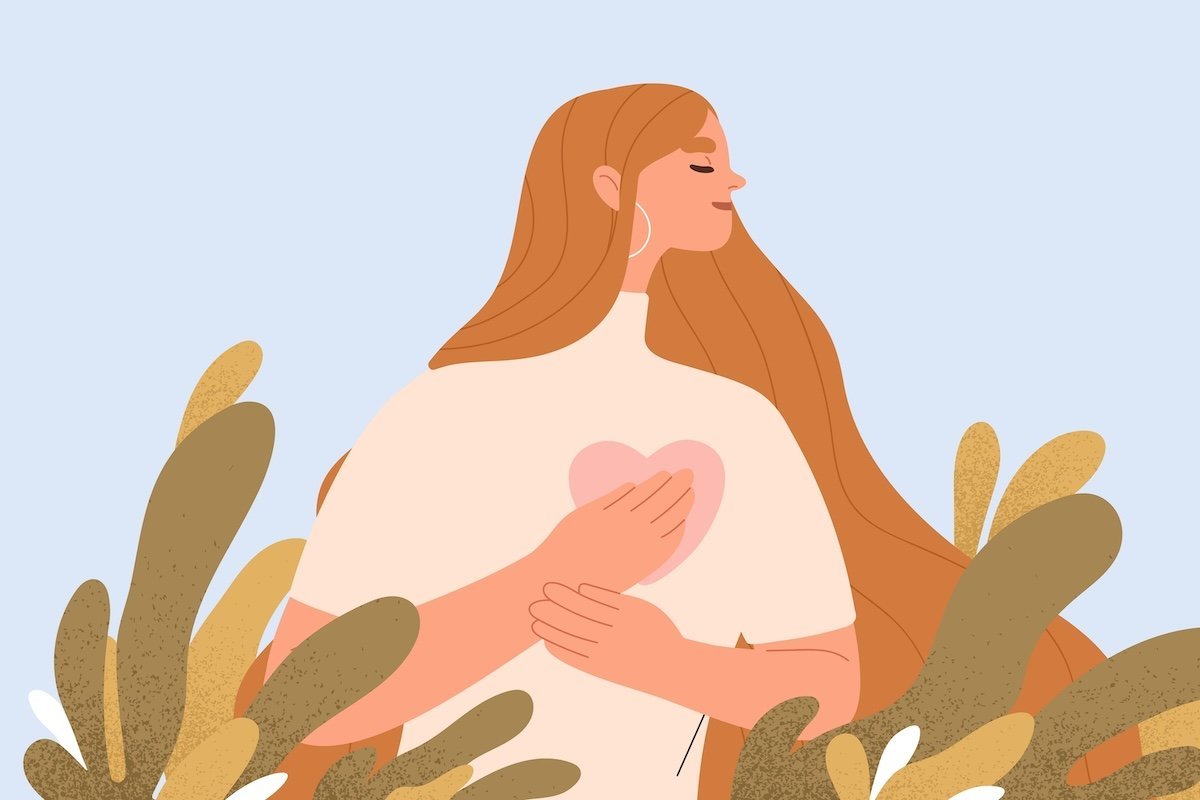 Radical self care is about making decisions that honour our true selves. From setting uncompromising boundaries to nurturing your authentic self, Dee Marques explores 8 radical self care examples you can incorporate into your life to gain stability and happiness. What comes to your mind when you hear the term “radical self care”? For some people, they may it associate with taking time out to pamper themselves, but this type of self care goes way beyond scented candles and relaxing bubble baths. And although these smaller acts of physical self care have their place, radical self care involves a much deeper level of attention and consideration for our mind, body and spirit. A good example of radical self care is the decision taken by US gymnastics champion Simone Biles, who bravely withdrew from Tokyo Olympics in 2021 to prioritise her mental health. Reflecting on her decision, she said that "we have to protect our minds and our bodies and not just go out and do what the world wants us to do”, emphasising that this type of choice isn’t a sign of weakness, but of strength. Indeed, radical self care is about making choices that honour our true selves. It's about taking a stand for our inner stability – something that can be life-changing. Radical Self Care: the History While the volume of Google searches for “radical self care” has boomed from 2015 onwards, the origins of this concept go way back to the 1960s and 1970s. In fact, radical self care has always had a revolutionary flair to it. Starting in the 1960s, activists within the Black Power movement, including the Black Panthers and writers like Audre Lorde, affirmed that self care was crucial when it came to survival under oppression. Practicing radical self care can be life-changing These revolutionary voices understood that radical self care meant attending to their bodies and minds on a daily basis, as they battled with systemic injustice, whether that meant being diligent with nutrition, meditation, or yoga. Not only that, but radical self care also had a community focus, as many of these activists created wellness and social service programmes targeting groups affected by inequality, and turning self care into a form of activism. So, What is Radical Self Care Exactly? The full extent of radical self care is perfectly described by Audre Lorde, when she said: “caring for myself is not self-indulgence, it is self-preservation, and that is an act of political warfare”. Nowadays, we’re used to thinking about self care as those Instagrammable moments of pampering, quiet, and relaxation, but there’s so much more to radical self care than me-time. “Radical self care is about making choices that honour our true selves. It's about taking a stand for our inner stability – something that can be life-changing.” To understand what radical self care really means, it helps to look at the origin of the word “radical”, meaning “root”. Radical self care isn’t about masking problems with comfort, trying endless yoga programmes or the latest fad in self care routines. Instead, it’s about going to the root, tending to the source. We’re talking about the type of care that tackles burnout, systemic pressures, and emotional labour with proactive healing, and not just with generic rest. RELATED: Be Good to Yourself: 8 Self-Love Techniques 12 Ways to Practise Self-Acceptance Self Validation: 5 Ways to Develop It This means prioritising yourself, even when putting your needs first disappoints other people. Just like fellow sports star Simone Biles, tennis player Naomi Osaka gave an outstanding example of this at the 2021 French Open. She refused to talk to the media as she felt mentally fragile and subsequently withdrew from the competition, all in the face of considerable pressure and coercion. Radical self care also means creating the space to live authentically and connect with your true self, aligning your choices with your coping, social, creative, and physical needs. Essentially, radical self care is about care with conviction – a transformational practice that recognises your well-being is non-negotiable. Making time for physical wellness is another radical self care example What are Some Examples of Radical Self Care? Because radical self care isn’t only radical at the root, but in its reach, it’s vital to ensure all areas of your life are covered by this commitment to prioritising your well-being. So, how does this look like in real life? Here are some examples: Leaving a pressured social role or job that doesn’t align with your needs and values. Declining an invitation if it disrupts your energy, even if it involves people you care about. Prioritising therapy, coaching, or community healing circles over mindless distraction. Speaking up about unrealistic expectations, even if that goes against the majority’s opinion. Ending toxic relationship dynamics or unhealthy communication loops. Taking meal planning seriously to ensure your meals are nutritious and honour your body. How Do You Practice Radical Self Care? Here are eight ways you can decide to make changes that honour your true self, cultivating radical self care. 1. Cultivate Relationships That Expand You The more seriously you take your well-being, the more sensitive you become to anything that drains your energy – and that includes people. If there are toxic people in your circle, or anyone who drags you down, radical self care demands you let go and focus on connections full of respect, reciprocity, and depth. 2. Set Uncompromising Boundaries One of the starting points of radical self care is realising you can’t give your 100% to everything at the same time. To protect your energy, be selective with your boundaries at work and at home, making sure your needs are clearly expressed (for example, “I’m unavailable after 6pm” or “I can’t handle extra projects right now.”) Protect your energy by setting uncompromising boundaries 3. Say “No” Cutting obligations may disappoint others, but each “no” frees space for your mental and emotional health. Saying “no” also includes refusing to give into distraction (such as mindless scrolling), when you could be using that time on activities that bring you tangible benefits. “Radical self care means prioritising yourself, even when putting your needs first disappoints other people. That often means saying 'no'.” Studies have shown that children who say “no” and delay gratification did better socially and academically later in life – and as writer and psychotherapist Bryan Robinson says – “saying no more than you say yes is a trait of healthy and successful people”. 4. Make Time For Physical Wellness Although radical self care is much more than taking a relaxing bath or doing yoga, attending to the body is an important aspect. Make time every day for activities that respect your body’s levels energy, such as a fitness or exercise routine like mindful running, and complement this with conscious eating choices. 5. Nurture Your Authentic Self Find opportunities to voice your truths, stand by your values, and celebrate your cultural, spiritual, or political identity. To cultivate your authentic self, you may want to explore rituals that reaffirm who you are or ancestral healing practices. 6. Practice Creative Expression Your authentic self has a creative side, and research across different cultures and age ranges shows that creative activities like writing, making art, and singing are correlated to higher levels of autonomy, empowerment, and stress relief. How to practice radical self cafe? Try creative expression 7. Embrace Rest As Resistance Review your routines often and realign them around rest. This could mean anything from taking a whole day to yourself, to making 15-minute appointments with yourself. Pausing isn’t a sign of weakness; it’s a choice you make out of self-love. As author Ivory Bennett said about Simone Biles’ act of rest as resistance: “Biles is a bold and beautiful example of duality. You can be strong and choose rest”. 8. Swap Guilt For Trust Statistics show that 1 in 4 Americans feel guilty for investing in self care. When you feel guilty about attending to your well-being, you’re more likely to be inconsistent with your radical self care practice. It’s much more beneficial to approach every act of self care with complete trust in your choices and regards the benefits of these self-priority actions. Takeaway: Radical Self Care is Your Foundation Ultimately, radical self care is an act of total self-respect. It asks us to show up consistently for ourselves and reconnects us to our worth beyond productivity or performance – just like Simone Biles said: “I’m more than my accomplishments”. Embracing radical self care as a way of being roots us in our values, protects our energy, and restores our autonomy. What’s more, it invites us to honour our energy, trust our needs, and protect our peace without apology. Whether it’s saying no, resting without guilt, or expressing your truth, each radical choice is a step towards living more intentionally and authentically. Remember that your well-being isn’t a luxury: it’s your foundation. So, take the time and create the space for it. Why not start right now, finding one radical way of caring for and respecting yourself today? ● Images: shutterstock/GoodStudio, shutterstock/Julia Zavalishina, shuttertstock/Josep Suria, shutterstock/Toffee Photo happiness.com | The fine art of being: learn, practise, share Are you a happiness.com member yet? Sign up for free now to: ■ enjoy our happiness magazine with practical life tips ■ share and support in our happiness forum Healthy habits | Letting Go | Goal setting Written by Dee Marques A social sciences graduate with a keen interest in languages, communication, and personal development strategies. Dee loves exercising, being out in nature, and discovering warm and sunny places where she can escape the winter.
 -
 What is it that prevents us from finding happiness? Is it not the ever lasting 'effort' to find & seek that eludes the happiness we so desperately desire. Don't we find it when we are alone, perhaps near a beach or on top of a mountain.... Could it be that happiness was always within our grasp? The beach, the mountain or the solitude....,they all paved the way for it to emerge. Isn't it true that in all these we have let go, we have let go the effort. The effort to find and seek. We were just there. Thinking about nothing. Effortlessly present with inner stillness. Isn't it our thoughts that hides our true sense, our true self, which is always happy. How wonderful, How liberating would it be to truly experience this profound, effortless inner stillness... For a moment, for a second, for an hour, for eternity.... Visit: www.nisala.org/webinars
-
Feeling Blue or Clinically Depressed? The 4 Signs to Look For
Calvin77 posted an article in HEALTH & BODY
 We all feel blue sometimes, but how do you know if the stormclouds will pass or you're actually clinically depressed? Dee Marques explains four key factors that distinguish between feeling blue and a serious mental health issue. Plus, top tips on how to beat the blues. Even under normal circumstances the New Year can bring contradictory feelings: it’s meant to be a time for new beginnings and positivity, but not everyone feels in good spirits. In reality, it’s rather the opposite, since January is actually known as a prime time for feeling blue and is the most depressing month of the year. The January blues is a real thing. Low morale can be a result of limited exposure to natural light, having fewer opportunities to spend time outdoors and recharge our batteries by being in contact with nature, financial pressure after heavy holiday spending, and the shock of having to go back to “normal life”. With all that in mind, it’s hardly surprising that many of us may be feeling blue right now. What Is the Meaning of Feeling Blue? The actual term 'feeling blue' is not new, and there are references to it that go back hundred of years. In fact, it seems that the expression comes from an old sailing tradition. In the past, blue flags would be flown if a ship lost the captain or another crew member. This was to signal feelings of loss and sadness, similar to the main symptoms of the blues: demotivation, lack of energy, and being tearful or more sensitive than usual. Ask yourself: are you just feeling blue or clinically depressed? Feeling Blue vs Depression I’ve struggled with occasionally feeling the blues for years, and I’ve learned that in some cases it’s justified. In some ways, feeling blue may actually be a positive thing, in the sense that it’s a sign that we need to pay close attention to our habits, thoughts/feelings, and environment. Indeed, no one should be expected to feel happy when faced when losing a job or being stuck in a rut, so we can say that under certain circumstances, feeling blue is a normal reaction to certain life events and we shouldn’t fight it. Instead, it could be more productive to allow ourselves to listen to that feeling and take steps to make our lives more meaningful. “Laughter is the best medicine, and this applies to fighting the blues, too. Watching a comedy or trying laughter yoga can really boost your mood.” However, the problem comes when feeling blue becomes the rule rather than the exception. Everyone can have a bad day, bad week, or bad month. But if a low mood persists and we do nothing to curb it, it may a slippery slope towards clinical depression. Indeed, it's essential to clarify that feeling blue is not the same as being depressed. Clinical depression is a mood disorder, a mental health condition that can affect mind and body. So, how do you know if you’re simply feeling blue or if it’s something more serious, like depression? Here are the four key factors that can help you distinguish between the two: 1. A specific cause One of the main differences is that feeling blue usually has a specific cause; you’re able to pinpoint your feelings of sadness to a specific event, such as losing a parent, missing out on an important opportunity, adult bullying, or a romantic break-up. RELATED: Art Therapy For Depression How to Stop Thinking About Something: 9 Strategies Remember: You Are Not Your Thoughts On the other hand, people who are depressed can’t usually trace back their feelings to a singular concrete event. The low spirits are just there, and they linger on and on precisely because they don’t seem to have an identifiable cause. 2. Duration This brings us to another important difference between feeling blue and being depressed, which is duration. Feeling blue is usually temporary, and we know the sadness will pass, even when we’re in the middle of it. But people affected by depression see no end to their gloomy feelings: we can quite literally compare depression to not ever being able to see light at the end of the tunnel. 3. Intensity It’s not hard to imagine how much of a burden feeling blue can be to mental health, so the intensity of the symptoms is much stronger in depression. The intensity is such that the sadness takes over pretty much every thought and action. Unlike feeling blue, which usually improves when we do something we enjoy, a characteristic of depression is the distinct inability to find enjoyment – even in the things that used to bring us joy. RELATED: 8 Powerful Suicide Prevention Quotes From here it’s a vicious circle: if you can’t enjoy anything, there’s no point in doing anything. This is usually followed by feelings of numbness or emptiness, which reinforce the circle of hopelessness, negative thoughts and low motivation. In some cases, people may think that the only way to feel something and snap out of the numbness is self harm. This is a clear sign of depression. Beating the blues with laughter 4. Symptoms Because the intensity of sadness in depression is so severe, it can disrupt everyday life and cause physical symptoms, including sleep disorders, an inability to concentrate, poor memory, headaches, digestive issues, and appetite changes. These can happen with you're feeling blue too, but they’re usually short-lived, and don’t usually stop you from getting on with your day. “In some ways, feeling blue may actually be a positive thing, in the sense that it’s a sign that we need to pay close attention to our habits, views and environment.” The number of symptoms and their intensity can vary from person to person, but it’s generally agreed that someone can be diagnosed with clinical depression if a combination of these symptoms is present for more than two weeks or if suicidal thoughts are present, even if occasionally. Without treatment, depression can persist for several months or even years, so it’s essential to seek treatment as soon as possible. MORE LIKE THIS: Inner Peace: 3 Key Techniques to Finding It Feeling Lost in Life? Move On in 7 Steps Why is Mental Health Important? Feeling Blue? Tips to Lift Your Spirits Unlike depression, occasionally feeling blue doesn’t require treatment in terms of medication or CBT, but nobody enjoys feeling down. So, there are many things we can do to lift our spirits during this phase of feeling sorrow or melancholy. Remember that our ability to enjoy the things we love isn’t usually affected by feeling blue, so the first suggestion is to make time to do those things: Get some giggles The old saying goes that laughter is the best medicine, and this applies to fighting the blues, too. Watching a comedy or trying a session of laughter yoga – yes, it really is a thing – can help improve your mood. Exercise When affected by the winter blues, we may not feel particularly energetic, but physical activity is a great mood booster. Going for a walk, mindful running, swimming, cycling or kickboxing… whatever gives you an exercise high is worth trying. And if you can’t leave the house, you can still keep active: put on your favourite music and dance, do some yoga or stretching. Get creative Human beings are the only species capable of producing and enjoying forms of art like painting, writing, or photography, which says a lot about our creative nature. If you don’t have a creative hobby, it’s time to find one. Experiencing the power of creativity can change our mood, self-image, and general outlook on life. What's more, you could discover your flow state and unlock one of the main keys to happiness. Embrace novelty Make small changes to bring some novelty to your routine. Rearranging furniture in your bedroom, getting a new haircut or colour, trying a new recipe, or doing something you’ve never done before. Simply pottering around can do wonders for your mood! FAQS: What Does it Mean to Feel Blue? 1. Why Do I Feel Blue? Sometimes your brain is just reacting to stress, lousy weather, lack of sunlight, or a life wobble. Feeling blue is usually a temporary emotional dip — not a diagnosis. 2. Is Feeling Blue the Same as Depression? Nope. Feeling blue has a clear cause and passes on its own. Depression sticks around, gets heavier over time, and affects daily life. 3. How Long Do the Blues Last? Anywhere from a few hours to a few days. If your low mood lingers for more than two weeks, check in with a mental-health professional. 4. What Helps When I’m Feeling Blue? Move your body, get outside, talk to someone, do something fun or creative. Small mood-shifters often make a big difference. 5. When Should I Worry? If sadness becomes constant, starts disrupting sleep, appetite or focus, or you can’t find joy in anything — that’s beyond “blue” territory. Time to reach out for support. The Takeaway: Feeling Blue Feeling in low spirits? You’re not alone. The blues can come at any time of the year but often hits in January and February. It can be an opportunity to review our goals, habits and views. If you’re affected by feeling blue, try some of the suggestions above and chances are they’ll brighten your mood. But if things don’t improve and you think you have symptoms of clinical depression, seek help immediately. Your mental health is too important to postpone treatment. • Main image: shutterstock/panitan photo, shutterstock/Flamingo Images If you're experiencing any of the signs of depression make sure to reach out to your local mental health services. In the US, you can also contact the National Suicide Prevention Hotline for free and confidential support. Use Lifeline Chat or call 1-800-273-TALK (8255). In the UK, call 116 123 to talk to Samaritans, or email: [email protected] for a reply within 24 hours. You can also text “SHOUT” to 85258 to contact the Shout Crisis Text Line, or text “YM” if you are under 19. happiness.com | The fine art of being: learn, practise, share Are you a happiness.com member? Join free now and: ■ enjoy our happiness magazine ■ share and support in our happiness forum Goal setting | Healthy habits | Happiness Written by Dee Marques A social sciences graduate with a keen interest in languages, communication and personal development strategies. Dee loves exercising, being out in nature, and discovering warm and sunny places where she can escape the winter.